Buy my-socks.com ?
We are moving the project
my-socks.com .
Are you interested in purchasing the domain
my-socks.com ?
domain@kv-gmbh.de · 0541-91531010
Buy my-socks.com ?
What is jojoba oil?
Jojoba oil is a liquid wax extracted from the seeds of the jojoba plant, which is native to the southwestern United States. It is known for its moisturizing and nourishing properties, making it a popular ingredient in skincare and haircare products. Jojoba oil closely resembles the natural oils produced by the skin, making it an effective emollient and moisturizer. It is also rich in vitamins and minerals, making it beneficial for promoting healthy skin and hair. **
Is jojoba oil environmentally friendly?
Jojoba oil is considered environmentally friendly for several reasons. Jojoba plants are native to arid regions and require minimal water and resources to grow, making them a sustainable crop. Additionally, jojoba oil is biodegradable and non-toxic, making it safe for the environment. The cultivation of jojoba plants also helps prevent soil erosion and desertification, making it a beneficial crop for the environment. **
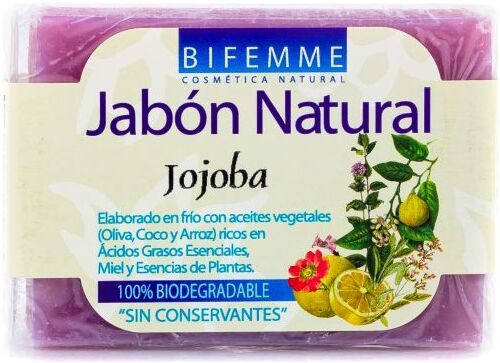
Similar search terms for Ynsadiet-Jojoba-Soap-100
Top-Angebote
Products related to Ynsadiet-Jojoba-Soap-100:
-
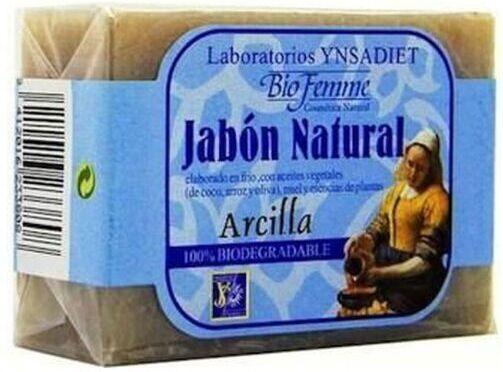
Ynsadiet Seaweed SoapHealth and Beauty Corporal hygiene Ynsadiet Seaweed Soap Seaweed Soap Seaweed contains rebalancing, anti-inflammatory, decongestant, nourishing and oxygenating properties. Rich in mineral salts, trace elements and vitamins Fucus seaweed stimulates blood circulation, firms and prevents the relaxation of cell fibers.2,60 £*Shipping: 3,99 £Secure redirect to the provider


-
How do I knit socks with needle size 100?
Knitting socks with needle size 100 would be extremely challenging, as this needle size is much larger than what is typically used for sock knitting. The resulting fabric would be very loose and open, and the socks would likely be too large and not fit properly. It would be best to use a much smaller needle size, such as US 1 (2.25mm) or US 2 (2.75mm), to achieve the tight gauge and small stitches needed for a well-fitting and durable pair of socks. **
-
Is jojoba oil good for wood?
Yes, jojoba oil is good for wood. It is a natural, non-toxic oil that can be used to condition and protect wood surfaces. Jojoba oil penetrates the wood to nourish and moisturize it, helping to prevent drying, cracking, and warping. It also creates a protective barrier on the surface of the wood, helping to repel moisture and dirt. Additionally, jojoba oil is a sustainable and environmentally friendly option for wood care. **
-
How do I stretch my earlobes with jojoba oil?
To stretch your earlobes with jojoba oil, start by massaging a small amount of jojoba oil onto your earlobes to soften the skin. Next, gently insert a taper or plug into your earlobe, making sure to go slowly and stop if you feel any pain or resistance. You can continue to massage jojoba oil onto your earlobes daily to keep the skin moisturized and help with the stretching process. Remember to always listen to your body and go at a pace that is comfortable for you to avoid any damage or tearing. **
-
How do I stretch my earlobes using jojoba oil?
To stretch your earlobes using jojoba oil, start by massaging a small amount of jojoba oil onto your earlobes to help lubricate and soften the skin. Then, gently insert a taper or plug into your earlobe, making sure to go slowly and listen to your body's cues. You can continue to massage your earlobes with jojoba oil daily to keep the skin moisturized and promote healing. Remember to always consult with a professional piercer or body modification expert before attempting to stretch your earlobes to ensure you do it safely and effectively. **


Where can one buy good jojoba oil?
Good quality jojoba oil can be purchased from health food stores, natural beauty stores, and online retailers. Look for reputable brands that offer pure, organic, and cold-pressed jojoba oil to ensure the highest quality. It's important to read customer reviews and check for certifications to ensure that you are getting a genuine and high-quality product. **
Which plant is it, Jojoba or Jujube?
The plant in question is Jojoba. Jojoba is a shrub native to the southwestern United States and northern Mexico, known for its oil-rich seeds that are used in various cosmetic and skincare products. On the other hand, Jujube is a small deciduous tree or shrub native to China and commonly cultivated for its sweet and edible fruit. Both plants have distinct characteristics and uses, but the one being referred to in this context is Jojoba. **
Top-Angebote
Products related to Ynsadiet-Jojoba-Soap-100:
-
Ynsadiet Rosehip Soap 100 grHealth and Beauty Corporal hygiene Ynsadiet Rosehip Soap 100 gr Natural rosehip soap Cold-processed with essential vegetable oils (olive, coconut, and rice) rich in essential fatty acids, honey, and plant essences. 100 gr2,92 £*Shipping: 3,99 £Secure redirect to the provider
-
What is jojoba oil?
Jojoba oil is a liquid wax extracted from the seeds of the jojoba plant, which is native to the southwestern United States. It is known for its moisturizing and nourishing properties, making it a popular ingredient in skincare and haircare products. Jojoba oil closely resembles the natural oils produced by the skin, making it an effective emollient and moisturizer. It is also rich in vitamins and minerals, making it beneficial for promoting healthy skin and hair. **
-
Is jojoba oil environmentally friendly?
Jojoba oil is considered environmentally friendly for several reasons. Jojoba plants are native to arid regions and require minimal water and resources to grow, making them a sustainable crop. Additionally, jojoba oil is biodegradable and non-toxic, making it safe for the environment. The cultivation of jojoba plants also helps prevent soil erosion and desertification, making it a beneficial crop for the environment. **
-
How do I knit socks with needle size 100?
Knitting socks with needle size 100 would be extremely challenging, as this needle size is much larger than what is typically used for sock knitting. The resulting fabric would be very loose and open, and the socks would likely be too large and not fit properly. It would be best to use a much smaller needle size, such as US 1 (2.25mm) or US 2 (2.75mm), to achieve the tight gauge and small stitches needed for a well-fitting and durable pair of socks. **
-
Is jojoba oil good for wood?
Yes, jojoba oil is good for wood. It is a natural, non-toxic oil that can be used to condition and protect wood surfaces. Jojoba oil penetrates the wood to nourish and moisturize it, helping to prevent drying, cracking, and warping. It also creates a protective barrier on the surface of the wood, helping to repel moisture and dirt. Additionally, jojoba oil is a sustainable and environmentally friendly option for wood care. **
Similar search terms for Ynsadiet-Jojoba-Soap-100
-
Ynsadiet Seaweed SoapHealth and Beauty Corporal hygiene Ynsadiet Seaweed Soap Seaweed Soap Seaweed contains rebalancing, anti-inflammatory, decongestant, nourishing and oxygenating properties. Rich in mineral salts, trace elements and vitamins Fucus seaweed stimulates blood circulation, firms and prevents the relaxation of cell fibers.2,60 £*Shipping: 3,99 £Secure redirect to the provider
-
Ynsadiet Calendula SoapHealth and Beauty Corporal hygiene Ynsadiet Calendula Soap Calendula Soap They help the skin stay free of the dirt that accumulates during the day. The antioxidant, anti-stretch mark, and anti-wrinkle properties of calendula oil help the skin regenerate, maintain its moisture level, and remain smooth and plump.2,96 £*Shipping: 3,99 £Secure redirect to the provider
-
How do I stretch my earlobes with jojoba oil?
To stretch your earlobes with jojoba oil, start by massaging a small amount of jojoba oil onto your earlobes to soften the skin. Next, gently insert a taper or plug into your earlobe, making sure to go slowly and stop if you feel any pain or resistance. You can continue to massage jojoba oil onto your earlobes daily to keep the skin moisturized and help with the stretching process. Remember to always listen to your body and go at a pace that is comfortable for you to avoid any damage or tearing. **
-
How do I stretch my earlobes using jojoba oil?
To stretch your earlobes using jojoba oil, start by massaging a small amount of jojoba oil onto your earlobes to help lubricate and soften the skin. Then, gently insert a taper or plug into your earlobe, making sure to go slowly and listen to your body's cues. You can continue to massage your earlobes with jojoba oil daily to keep the skin moisturized and promote healing. Remember to always consult with a professional piercer or body modification expert before attempting to stretch your earlobes to ensure you do it safely and effectively. **
-
Where can one buy good jojoba oil?
Good quality jojoba oil can be purchased from health food stores, natural beauty stores, and online retailers. Look for reputable brands that offer pure, organic, and cold-pressed jojoba oil to ensure the highest quality. It's important to read customer reviews and check for certifications to ensure that you are getting a genuine and high-quality product. **
-
Which plant is it, Jojoba or Jujube?
The plant in question is Jojoba. Jojoba is a shrub native to the southwestern United States and northern Mexico, known for its oil-rich seeds that are used in various cosmetic and skincare products. On the other hand, Jujube is a small deciduous tree or shrub native to China and commonly cultivated for its sweet and edible fruit. Both plants have distinct characteristics and uses, but the one being referred to in this context is Jojoba. **
* All prices are inclusive of VAT and, if applicable, plus shipping costs. The offer information is based on the details provided by the respective shop and is updated through automated processes. Real-time updates do not occur, so deviations can occur in individual cases. ** Note: Parts of this content were created by AI.