Buy my-socks.com ?
We are moving the project
my-socks.com .
Are you interested in purchasing the domain
my-socks.com ?
domain@kv-gmbh.de · 0541-91531010
Buy my-socks.com ?
Why is my radiator fan not working?
Your radiator fan may not be working due to a variety of reasons. It could be a problem with the fan motor, a blown fuse, a faulty relay, or a malfunctioning temperature sensor. Additionally, there could be issues with the fan blades or the fan shroud that are preventing it from operating properly. It's important to have a professional mechanic diagnose and repair the issue to ensure your vehicle's cooling system is functioning correctly. **
What is a perfect radiator fan?
A perfect radiator fan is one that effectively and efficiently cools the engine by drawing air through the radiator to dissipate heat. It should be able to operate quietly, have a long lifespan, and be resistant to corrosion and damage from debris. Additionally, a perfect radiator fan should be able to adjust its speed based on the engine's cooling needs, and be easy to install and maintain. **


Similar search terms for VEMO-V40-79-0014-Radiator-fan
Top-Angebote
Products related to VEMO-V40-79-0014-Radiator-fan:
-
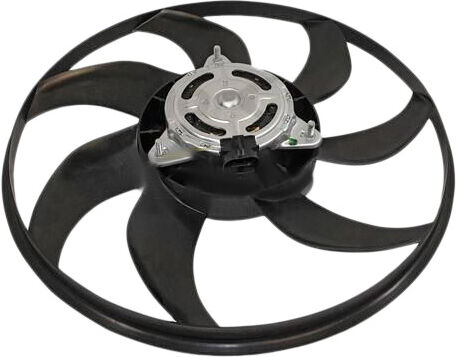
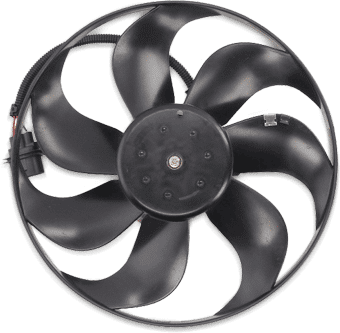
VEMO V40-01-1062 Fan, radiatorHeating/Cooling: Single Fan; Voltage [V]: 12; Rated Power [W]: 187; Diameter: 390; Vehicle Equipment: for vehicles with air conditioning; Weight [kg]: 1,65; Packaging width [cm]: 43,1; Packaging height [cm]: 41,8; Supplementary Info: Original VEMO Quality91,49 £*Shipping: 8,45 £Secure redirect to the provider
-
VEMO V40-01-1044 Fan, radiatorHeating/Cooling: Single Fan; Heating/Cooling: for vehicles with auxiliary cooler; Vehicle Equipment: for vehicles with air conditioning; Vehicle Equipment: for vehicles with/without air conditioning, for vehicles without air conditioning, for vehicles with automatic climate control; Voltage [V]: 12; Weight [kg]: 2,258; Packaging width [cm]: 38,4; Packaging height [cm]: 37,5; Supplementary Info: Original VEMO Quality; Construction Year to: 08/2000, 01/2004, 06/2004, 06/2005, 02/2005, 09/2003, 12/2002, 08/2005; Transmission Type: for manual transmission, for automatic transmission, Automatic Transmission, 5-Speed Manual Transmission, 4-Speed Automatic Transmission, Manual Transmission; Fitting Position: Behind the radiator; TecDoc Engine Number: 17590, 17589, 14923; Vehicle Identification Number (VIN) to: 22 999999, 25999999, 26999999, 28 999999, 2H999999, 32 999999, 3H999999, 2G999999, 2B999999, 2G/2H999999, 52083982, 55084253, 58055665, 5G, 32-, 3H000001-; Vehicle Identification Number (VIN) from: 32 000001, 3H000001, 52000001, 55, 56, 58/5G, 5H000001; Construction Year from: 09/2000, 09/2002, 03/2003121,99 £*Shipping: 8,45 £Secure redirect to the provider
-
VEMO V40-01-1050 Fan, radiatorHeating/Cooling: Single Fan; Supplementary Article / Supplementary Info Info 2: without radiator fan shroud; Weight [kg]: 1,761; Packaging width [cm]: 34,3; Packaging height [cm]: 33,7; Supplementary Info: Original VEMO Quality; Transmission Type: Manual Transmission32,49 £*Shipping: 8,45 £Secure redirect to the provider
-
VEMO V40-01-1031 Fan, radiatorHeating/Cooling: Single Fan; Voltage [V]: 12; Operating Mode: Electric; Weight [kg]: 1,804; Packaging width [cm]: 33,1; Packaging height [cm]: 32,7; Product line: Original Quality; Vehicle Equipment: for vehicles with air conditioning; Transmission Type: Manual Transmission54,49 £*Shipping: 8,45 £Secure redirect to the provider


-
How does a radiator work without a fan?
A radiator works without a fan by using natural convection to transfer heat away from the engine. As the hot coolant flows through the radiator, it releases heat to the surrounding air. The hot air rises, creating a natural flow of cooler air to replace it. This process allows the radiator to dissipate heat without the need for a fan to force air through the radiator fins. However, in some cases, a fan may be used to enhance the cooling process, especially in situations where natural convection may not be sufficient, such as in heavy traffic or at low speeds. **
-
How is the radiator fan control unit controlled?
The radiator fan control unit is typically controlled by the engine control module (ECM) or the powertrain control module (PCM). These modules monitor the engine temperature using the coolant temperature sensor and activate the radiator fan control unit when the temperature exceeds a certain threshold. The control unit then regulates the speed of the radiator fan to maintain the optimal operating temperature for the engine. Additionally, some vehicles may also have a separate fan relay that is controlled by the ECM or PCM to activate the radiator fan control unit. **
-
"Is the radiator fan of my VW Amarok not working?"
If the radiator fan of your VW Amarok is not working, it could be due to a faulty fan motor, a blown fuse, a malfunctioning fan relay, or a problem with the temperature sensor. It is important to have the fan checked by a qualified mechanic to diagnose the issue accurately and ensure that the engine is not overheating. Ignoring a non-functioning radiator fan can lead to serious engine damage, so it is best to address the issue promptly. **
-
How do I mount the radiator fan upside down?
To mount a radiator fan upside down, you will need to remove the fan from the radiator first. Then, flip the fan over so that the blades are facing downwards. Reattach the fan to the radiator in this new orientation, making sure to secure it properly to prevent any vibrations or movement. Finally, test the fan to ensure it is functioning correctly in its new position. **

What type of fan is needed for a radiator?
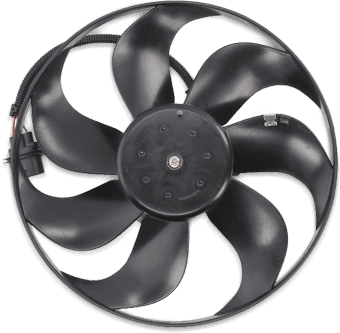
A radiator typically requires a fan that is designed to move a high volume of air through the radiator to help dissipate heat. This type of fan is often referred to as a high-performance or high-flow fan. It is important for the fan to be able to efficiently move air through the radiator to help cool the engine, especially in high-performance or racing applications where heat dissipation is crucial. Additionally, the fan should be durable and able to withstand the high temperatures and harsh conditions typically found in an engine bay. **
Does the fan no longer fit on the radiator?
It is possible that the fan no longer fits on the radiator if there have been changes to the size or shape of either the fan or the radiator. This could be due to a mismatch in dimensions, damage to the fan or radiator, or a different mounting system. It is important to ensure that the fan and radiator are compatible and properly installed to avoid any overheating or performance issues in the cooling system. **
Top-Angebote
Products related to VEMO-V40-79-0014-Radiator-fan:
-
VEMO V40-79-0014 Radiator fan resistorModel Year to: 2015, 2009; Transmission Type: Manual Transmission, Manual Transmission, automatically operated; Vehicle Identification Number (VIN) to: 7301052; Vehicle Equipment: for vehicles with air conditioning (manually controlled), for vehicles without air conditioning; Model Year from: 2016; Fitting Position: Left, Right29,49 £*Shipping: 8,45 £Secure redirect to the provider
-
VEMO V40-01-1069 Fan, radiatorHeating/Cooling: Single Fan; Voltage [V]: 12; Rated Power [W]: 75; Diameter: 335; Vehicle Equipment: for vehicles without air conditioning; Vehicle Equipment: for vehicles without air conditioning; Weight [kg]: 2,45; Packaging width [cm]: 36,1; Packaging height [cm]: 35,2; Supplementary Info: Original VEMO Quality37,49 £*Shipping: 8,45 £Secure redirect to the provider
-
VEMO V40-01-1062 Fan, radiatorHeating/Cooling: Single Fan; Voltage [V]: 12; Rated Power [W]: 187; Diameter: 390; Vehicle Equipment: for vehicles with air conditioning; Weight [kg]: 1,65; Packaging width [cm]: 43,1; Packaging height [cm]: 41,8; Supplementary Info: Original VEMO Quality91,49 £*Shipping: 8,45 £Secure redirect to the provider
-
VEMO V40-01-1044 Fan, radiatorHeating/Cooling: Single Fan; Heating/Cooling: for vehicles with auxiliary cooler; Vehicle Equipment: for vehicles with air conditioning; Vehicle Equipment: for vehicles with/without air conditioning, for vehicles without air conditioning, for vehicles with automatic climate control; Voltage [V]: 12; Weight [kg]: 2,258; Packaging width [cm]: 38,4; Packaging height [cm]: 37,5; Supplementary Info: Original VEMO Quality; Construction Year to: 08/2000, 01/2004, 06/2004, 06/2005, 02/2005, 09/2003, 12/2002, 08/2005; Transmission Type: for manual transmission, for automatic transmission, Automatic Transmission, 5-Speed Manual Transmission, 4-Speed Automatic Transmission, Manual Transmission; Fitting Position: Behind the radiator; TecDoc Engine Number: 17590, 17589, 14923; Vehicle Identification Number (VIN) to: 22 999999, 25999999, 26999999, 28 999999, 2H999999, 32 999999, 3H999999, 2G999999, 2B999999, 2G/2H999999, 52083982, 55084253, 58055665, 5G, 32-, 3H000001-; Vehicle Identification Number (VIN) from: 32 000001, 3H000001, 52000001, 55, 56, 58/5G, 5H000001; Construction Year from: 09/2000, 09/2002, 03/2003121,99 £*Shipping: 8,45 £Secure redirect to the provider
-
Why is my radiator fan not working?
Your radiator fan may not be working due to a variety of reasons. It could be a problem with the fan motor, a blown fuse, a faulty relay, or a malfunctioning temperature sensor. Additionally, there could be issues with the fan blades or the fan shroud that are preventing it from operating properly. It's important to have a professional mechanic diagnose and repair the issue to ensure your vehicle's cooling system is functioning correctly. **
-
What is a perfect radiator fan?
A perfect radiator fan is one that effectively and efficiently cools the engine by drawing air through the radiator to dissipate heat. It should be able to operate quietly, have a long lifespan, and be resistant to corrosion and damage from debris. Additionally, a perfect radiator fan should be able to adjust its speed based on the engine's cooling needs, and be easy to install and maintain. **
-
How does a radiator work without a fan?
A radiator works without a fan by using natural convection to transfer heat away from the engine. As the hot coolant flows through the radiator, it releases heat to the surrounding air. The hot air rises, creating a natural flow of cooler air to replace it. This process allows the radiator to dissipate heat without the need for a fan to force air through the radiator fins. However, in some cases, a fan may be used to enhance the cooling process, especially in situations where natural convection may not be sufficient, such as in heavy traffic or at low speeds. **
-
How is the radiator fan control unit controlled?
The radiator fan control unit is typically controlled by the engine control module (ECM) or the powertrain control module (PCM). These modules monitor the engine temperature using the coolant temperature sensor and activate the radiator fan control unit when the temperature exceeds a certain threshold. The control unit then regulates the speed of the radiator fan to maintain the optimal operating temperature for the engine. Additionally, some vehicles may also have a separate fan relay that is controlled by the ECM or PCM to activate the radiator fan control unit. **
Similar search terms for VEMO-V40-79-0014-Radiator-fan
-
VEMO V40-01-1050 Fan, radiatorHeating/Cooling: Single Fan; Supplementary Article / Supplementary Info Info 2: without radiator fan shroud; Weight [kg]: 1,761; Packaging width [cm]: 34,3; Packaging height [cm]: 33,7; Supplementary Info: Original VEMO Quality; Transmission Type: Manual Transmission32,49 £*Shipping: 8,45 £Secure redirect to the provider
-
VEMO V40-01-1031 Fan, radiatorHeating/Cooling: Single Fan; Voltage [V]: 12; Operating Mode: Electric; Weight [kg]: 1,804; Packaging width [cm]: 33,1; Packaging height [cm]: 32,7; Product line: Original Quality; Vehicle Equipment: for vehicles with air conditioning; Transmission Type: Manual Transmission54,49 £*Shipping: 8,45 £Secure redirect to the provider
-
VEMO V30-01-0014 Fan, radiatorHeating/Cooling: Single Fan; Heating/Cooling: for vehicles with standard cooling; Voltage [V]: 12; for OE number: A 204 500 02 93; Length [mm]: 725; Width [mm]: 505; Height: 94; Vehicle Equipment: for vehicles with trailer hitch; Vehicle Equipment: for vehicles without trailer hitch; Supplementary Article / Supplementary Info Info 2: with radiator fan shroud; Power Consumption [W]: 600; Number of fan blades: 7; Supplementary Info: Original VEMO Quality; Vehicle type: C250; Transmission Type: Automatic Transmission; Vehicle Identification Number (VIN) from: 202299; Climate Zones: not for cold climate zones; TecDoc Engine Number: 26065, 23792214,99 £*Shipping: 1,99 £Secure redirect to the provider
-
"Is the radiator fan of my VW Amarok not working?"
If the radiator fan of your VW Amarok is not working, it could be due to a faulty fan motor, a blown fuse, a malfunctioning fan relay, or a problem with the temperature sensor. It is important to have the fan checked by a qualified mechanic to diagnose the issue accurately and ensure that the engine is not overheating. Ignoring a non-functioning radiator fan can lead to serious engine damage, so it is best to address the issue promptly. **
-
How do I mount the radiator fan upside down?
To mount a radiator fan upside down, you will need to remove the fan from the radiator first. Then, flip the fan over so that the blades are facing downwards. Reattach the fan to the radiator in this new orientation, making sure to secure it properly to prevent any vibrations or movement. Finally, test the fan to ensure it is functioning correctly in its new position. **
-
What type of fan is needed for a radiator?
A radiator typically requires a fan that is designed to move a high volume of air through the radiator to help dissipate heat. This type of fan is often referred to as a high-performance or high-flow fan. It is important for the fan to be able to efficiently move air through the radiator to help cool the engine, especially in high-performance or racing applications where heat dissipation is crucial. Additionally, the fan should be durable and able to withstand the high temperatures and harsh conditions typically found in an engine bay. **
-
Does the fan no longer fit on the radiator?
It is possible that the fan no longer fits on the radiator if there have been changes to the size or shape of either the fan or the radiator. This could be due to a mismatch in dimensions, damage to the fan or radiator, or a different mounting system. It is important to ensure that the fan and radiator are compatible and properly installed to avoid any overheating or performance issues in the cooling system. **
* All prices are inclusive of VAT and, if applicable, plus shipping costs. The offer information is based on the details provided by the respective shop and is updated through automated processes. Real-time updates do not occur, so deviations can occur in individual cases. ** Note: Parts of this content were created by AI.