Buy my-socks.com ?
We are moving the project
my-socks.com .
Are you interested in purchasing the domain
my-socks.com ?
domain@kv-gmbh.de · 0541-91531010
Buy my-socks.com ?
Do socks always get holes?
Socks do not always get holes, but it is a common occurrence with regular wear and tear. Factors such as the quality of the material, how often they are worn, and how they are cared for can all contribute to the likelihood of socks developing holes. Investing in higher quality socks and taking proper care of them, such as washing them gently and avoiding harsh chemicals, can help prolong their lifespan and reduce the chances of holes forming. **
Why do white socks always break?
White socks do not always break, but they may appear to do so more often because they show dirt and wear more visibly than darker socks. Additionally, the material and quality of the sock can also impact its durability. Cheaper or lower quality white socks may be more prone to breaking or wearing out quickly compared to higher quality options. It's important to choose well-made white socks and properly care for them to help prevent premature wear and tear. **
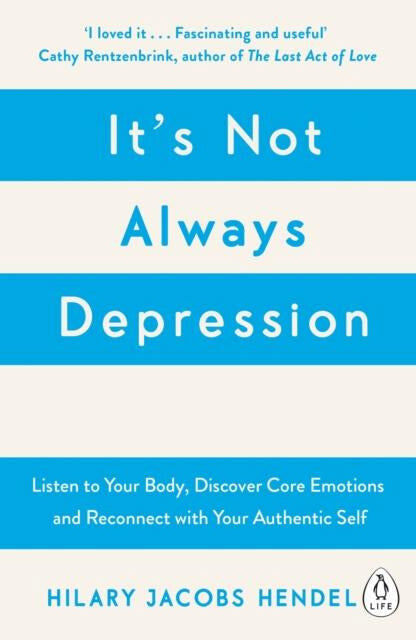

Similar search terms for Penguin-Its-Not-Always
Top-Angebote
Products related to Penguin-Its-Not-Always:
-
Usborne Thats Not My Penguin Touchy-feely Board BooksUsborne Thats Not My Penguin Description: Finalist in the Richard amp; Judy Galaxy British Book Awards Children's Book of the Year 2008! Bright; colorful illustrations with textures to touch and feel on every page. Helps very young children develop language and sensory skills. Series awarded 'Best Buy' by readers of Prima magazine. Click on 'Links' below for more about the Richard and Judy Galaxy British Book Awards - and to vote for your favorite book! Related Tags: Usborne, Usbourne4,99 £*Shipping: 1,99 £Secure redirect to the provider
-
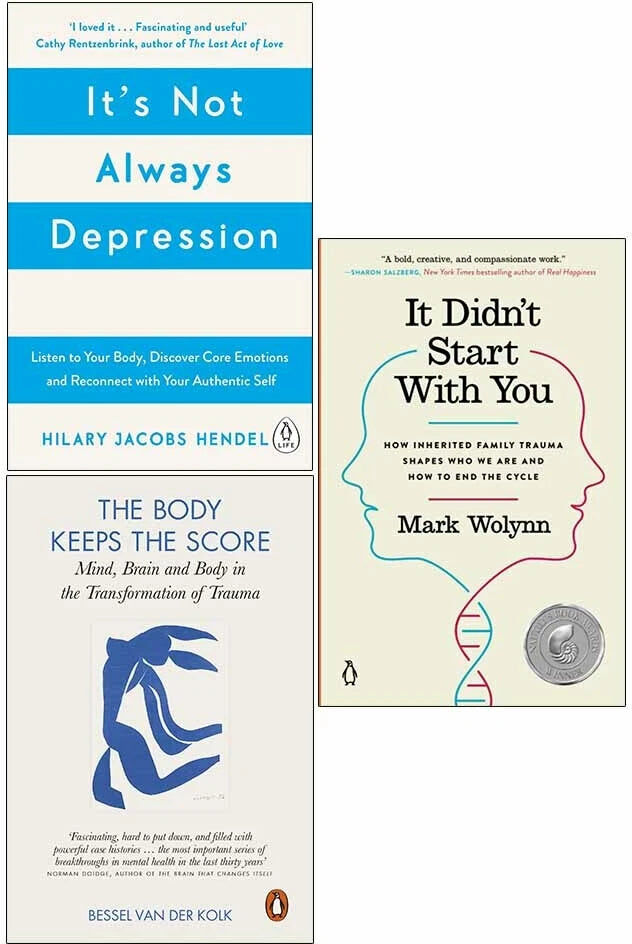
Vermilion/Penguin It's Not Always Depression, It Didn't Start With You & The Body Keeps the Score 3 Books Collection SetIt's Not Always Depression, It Didn't Start With You & The Body Keeps the Score 3 Books Collection Set: Tiltes in this set: It's Not Always Depression: A New Theory of Listening to Your Body, Discovering Core Emotions and Reconnecting with Your Authentic Self Depression. Anxiety. Chronic pain. Phobias. Obsessive thoughts. The evidence is compelling: the root of these difficulties may reside in the traumas of our parents, grandparents and even great-grandparents. The latest research affirms that traumatic experience is passed on to future generations and that this emotional inheritance, hidden in everything from our gene expression to everyday language, plays a greater role in our health than ever previously understood. Building on the work of leading experts in neuroscience and posttraumatic stress, Mark Wolynn has developed a pioneering approach to identifying and breaking these inherited family patterns. Having worked with individuals and groups on a therapeutic level for more than twenty years, It Didn't Start With You is his accessible, pragmatic and transformative guide to a method that has helped thousands of people reclaim their lives. It Didn't Start With You: How Inherited Family Trauma Shapes Who We Are and How to End the Cycle We were all taught that our thoughts affect our emotions, but in truth it is largely the other way around: we have to experience our emotions to truly understand our thoughts, and our full selves. This is why we should think not only about cognitive behavioural therapy or medication, but also about our emotions, when addressing psychological suffering. In It's Not Always Depression, pioneering psychotherapist Hilary Jacobs Hendel reveals the most effective techniques for putting us back in touch with the emotions we too often deny - methods which can be used by anyone, any time, anywhere. Drawing on stories from her own practice, she sheds light on the core emotions (such as joy, sadness and fear), defences (anything we do to avoid feeling) and inhibitory emotions (anxiety, shame and guilt), and how understanding their interaction can help us return to mental well-being. This is the basis of 'accelerated experiential dynamic psychotherapy:' it accelerates healing through having an emotional experience in the here and now. It allows you to reacquaint yourself with your feelings, to recover a more authentic self and to be more calm, curious and connected The Body Keeps the Score: Mind, Brain and Body in the Transformation of Trauma THE INTERNATIONAL BESTSELLER - OVER 3 MILLION COPIES SOLD'Dr. van der Kolk's masterpiece combines the boundless curiosity of the scientist, the erudition of the scholar, and the passion of the truth teller' Judith Herman, author of Trauma and Recovery The effects of trauma can be devastating for sufferers, their families and future generations. Here one of the world's experts on traumatic stress offers a bold new paradigm for treatment, moving away from standard talking and drug...19,99 £*Shipping: 2,99 £Secure redirect to the provider
-
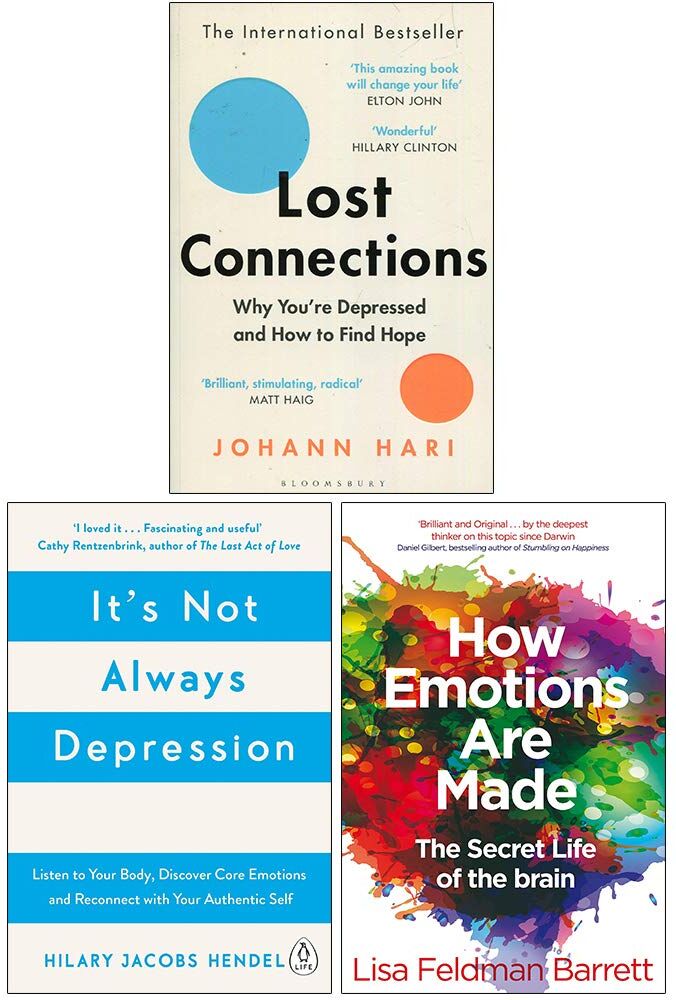
MACMILLAN/Bloomsbury/Penguin Lost Connections, It's Not Always Depression, How Emotions Are Made The Secret Life of the Brain 3 Books Collection SetIt's Not Always Depression We were all taught that our thoughts affect our emotions, but in truth it is largely the other way around: we have to experience our emotions to truly understand our thoughts, and our full selves. This is why we should think not only about cognitive behavioural therapy or medication, but also about our emotions, when addressing psychological suffering. How Emotions Are Made This understanding of emotion has been around since Plato. But what if it is wrong? In How Emotions Are Made, pioneering psychologist and neuroscientist Lisa Feldman Barrett draws on the latest scientific evidence to reveal that our common-sense ideas about emotions are dramatically, even dangerously, out of date – and that we have been paying the price. Emotions aren't universally pre-programmed in our brains and bodies; rather they are psychological experiences that each of us constructs based on our unique personal history, physiology and environment. Lost Connection Depression and anxiety are now at epidemic levels. Why? Across the world, scientists have uncovered evidence for nine different causes. Some are in our biology, but most are in the way we are living today.18,99 £*Shipping: 2,99 £Secure redirect to the provider
-
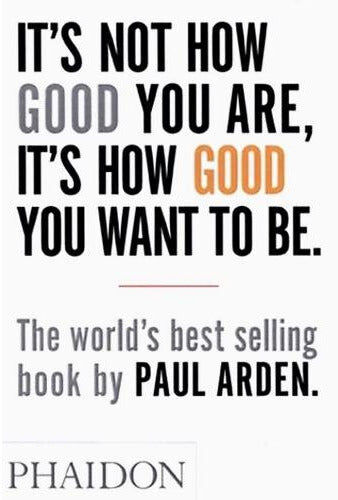
Phaidon Press Its Not How Good You Are Its How Good You Want To Be The Worlds Best-selling Book By Paul ArdenIt's Not How Good You Are, It's How Good You Want to Be is a handbook of how to succeed in the world: a pocket bible for the talented and timid alike to help make the unthinkable thinkable and the impossible possible. The world's top advertising guru, Paul Arden, offers up his wisdom on issues as diverse as problem solving, responding to a brief, communicating, playing your cards right, making mistakes, and creativity - all endeavours that can be applied to aspects of modern life. This uplifting and humorous little book provides a unique insight into the world of advertising and is a quirky compilation of quotes, facts, pictures, wit and wisdom - all packed into easy-to-digest, bite-sized spreads. If you want to succeed in life or business, this book is a must.5,95 £*Shipping: 2,99 £Secure redirect to the provider

-
Why do I always have holes in my socks?
There could be several reasons why you always have holes in your socks. One common reason is that the fabric of the socks may be of low quality or worn out, making them more prone to developing holes. Another reason could be that your shoes are causing friction against the socks, leading to wear and tear. Additionally, not trimming your toenails regularly could also contribute to the socks getting holes. **
-
Why do my socks always turn black from my shoes?
Your socks turn black from your shoes because of the accumulation of dirt, sweat, and dead skin cells that transfer from your feet to your socks and then onto your shoes. This buildup of grime can cause your socks to become discolored over time. Additionally, the materials used in your shoes, such as rubber or leather, can also contribute to the transfer of dark particles onto your socks. Regularly cleaning your shoes and wearing clean socks can help prevent this discoloration. **
-
Why do gymnasts always wear white socks?
Gymnasts often wear white socks because they provide a clean and polished look that complements their uniform. White socks also help to highlight the lines and movements of the gymnasts' legs during their routines, making it easier for judges and spectators to see their precise footwork and form. Additionally, white socks are a traditional choice in gymnastics and are commonly worn in competitions to maintain a professional and consistent appearance across all athletes. **
-
Do you always wear socks at home?
As an AI, I do not wear socks as I do not have a physical form. However, many people choose to wear socks at home for comfort, warmth, or to protect their feet. It ultimately depends on personal preference and the individual's comfort level. **
How long should you always wear socks?
You should always wear socks when you are wearing closed-toe shoes to protect your feet from blisters, odor, and fungal infections. It is recommended to wear socks all day, especially if you are on your feet for long periods of time. However, it is important to take breaks and let your feet breathe by going sockless at times to prevent moisture buildup and allow your feet to air out. **
Why do sneaker socks always slip down?
Sneaker socks often slip down because they are designed to be low-cut and have minimal coverage, which can make them more prone to slipping. Additionally, the elastic band at the top of the sock may lose its elasticity over time, causing the sock to slide down. The material of the sock and the fit of the shoe can also contribute to slippage. To prevent this, choosing socks with a better grip or a snugger fit, and ensuring the shoes are the right size, can help keep sneaker socks in place. **
Top-Angebote
Products related to Penguin-Its-Not-Always:
-
Penguin Its Not Always Depression by Hilary Jacobs HendelWe were all taught that our thoughts affect our emotions, but in truth it is largely the other way around: we have to experience our emotions to truly understand our thoughts, and our full selves. This is why we should think not only about cognitive behavioural therapy or medication, but also about our emotions, when addressing psychological suffering. In It's Not Always Depression, pioneering psychotherapist Hilary Jacobs Hendel reveals the most effective techniques for putting us back in touch with the emotions we too often deny - methods which can be used by anyone, any time, anywhere. Drawing on stories from her own practice, she sheds light on the core emotions (such as joy, sadness and fear), defences (anything we do to avoid feeling) and inhibitory emotions (anxiety, shame and guilt), and how understanding their interaction can help us return to mental well-being. This is the basis of 'accelerated experiential dynamic psychotherapy:' it accelerates healing through having an emotional experience in the here and now. It allows you to reacquaint yourself with your feelings, to recover a more authentic self and to be more calm, curious and connected.4,99 £*Shipping: 1,99 £Secure redirect to the provider
-
Penguin It's Not Always Depression, The Courage To Be Disliked 2 Books Collection SetIt's Not Always Depression, The Courage To Be Disliked 2 Books Collection Set It's Not Always Depression: A New Theory of Listening to Your Body, Discovering Core Emotions and Reconnecting with Your Authentic Self American Book Fest Best Health Book (Mental Health & Psychology) Award Winner 2018 Cutting-edge and accessible psychotherapy to put us back in touch with our emotions - and fast 'I loved it ... I have drawn my own picture of the change triangle - both fascinating and useful' - Cathy Rentzenbrink We were all taught that our thoughts affect our emotions, but in truth it is largely the other way around: we have to experience our emotions to truly understand our thoughts, and our full selves. This is why we should think not only about cognitive behavioural therapy or medication, but also about our emotions, when addressing psychological suffering. In It's Not Always Depression, pioneering psychotherapist Hilary Jacobs Hendel reveals the most effective techniques for putting us back in touch with the emotions we too often deny - methods which can be used by anyone, any time, anywhere. Drawing on stories from her own practice, she sheds light on the core emotions (such as joy, sadness and fear), defences (anything we do to avoid feeling) and inhibitory emotions (anxiety, shame and guilt), and how understanding their interaction can help us return to mental well-being. This is the basis of 'accelerated experiential dynamic psychotherapy:' it accelerates healing through having an emotional experience in the here and now. It allows you to reacquaint yourself with your feelings, to recover a more authentic self and to be more calm, curious and connected. Winner of Nautilus Silver for Personal Growth Books 2019 The Courage To Be Disliked: A single book can change your life THE 10 MILLION COPY BESTSELLER Stop people-pleasing and achieve true happiness. Millions have already benefited from the wisdom dispensed in The Courage to Be Disliked, its simple yet profound advice showing us how to harness our inner power to become the person we would like to be. A philosopher and a student have a discussion. Their conversation reveals a profoundly liberating way of thinking: by developing the courage to change, set healthy boundaries and resist the impulse to please others, it is possible to find genuine and lasting happiness. Your life is not something that someone gives you, but something you choose yourself, and you are the one who decides how you live.10,99 £*Shipping: 2,99 £Secure redirect to the provider
-
Usborne Thats Not My Penguin Touchy-feely Board BooksUsborne Thats Not My Penguin Description: Finalist in the Richard amp; Judy Galaxy British Book Awards Children's Book of the Year 2008! Bright; colorful illustrations with textures to touch and feel on every page. Helps very young children develop language and sensory skills. Series awarded 'Best Buy' by readers of Prima magazine. Click on 'Links' below for more about the Richard and Judy Galaxy British Book Awards - and to vote for your favorite book! Related Tags: Usborne, Usbourne4,99 £*Shipping: 1,99 £Secure redirect to the provider
-
Vermilion/Penguin It's Not Always Depression, It Didn't Start With You & The Body Keeps the Score 3 Books Collection SetIt's Not Always Depression, It Didn't Start With You & The Body Keeps the Score 3 Books Collection Set: Tiltes in this set: It's Not Always Depression: A New Theory of Listening to Your Body, Discovering Core Emotions and Reconnecting with Your Authentic Self Depression. Anxiety. Chronic pain. Phobias. Obsessive thoughts. The evidence is compelling: the root of these difficulties may reside in the traumas of our parents, grandparents and even great-grandparents. The latest research affirms that traumatic experience is passed on to future generations and that this emotional inheritance, hidden in everything from our gene expression to everyday language, plays a greater role in our health than ever previously understood. Building on the work of leading experts in neuroscience and posttraumatic stress, Mark Wolynn has developed a pioneering approach to identifying and breaking these inherited family patterns. Having worked with individuals and groups on a therapeutic level for more than twenty years, It Didn't Start With You is his accessible, pragmatic and transformative guide to a method that has helped thousands of people reclaim their lives. It Didn't Start With You: How Inherited Family Trauma Shapes Who We Are and How to End the Cycle We were all taught that our thoughts affect our emotions, but in truth it is largely the other way around: we have to experience our emotions to truly understand our thoughts, and our full selves. This is why we should think not only about cognitive behavioural therapy or medication, but also about our emotions, when addressing psychological suffering. In It's Not Always Depression, pioneering psychotherapist Hilary Jacobs Hendel reveals the most effective techniques for putting us back in touch with the emotions we too often deny - methods which can be used by anyone, any time, anywhere. Drawing on stories from her own practice, she sheds light on the core emotions (such as joy, sadness and fear), defences (anything we do to avoid feeling) and inhibitory emotions (anxiety, shame and guilt), and how understanding their interaction can help us return to mental well-being. This is the basis of 'accelerated experiential dynamic psychotherapy:' it accelerates healing through having an emotional experience in the here and now. It allows you to reacquaint yourself with your feelings, to recover a more authentic self and to be more calm, curious and connected The Body Keeps the Score: Mind, Brain and Body in the Transformation of Trauma THE INTERNATIONAL BESTSELLER - OVER 3 MILLION COPIES SOLD'Dr. van der Kolk's masterpiece combines the boundless curiosity of the scientist, the erudition of the scholar, and the passion of the truth teller' Judith Herman, author of Trauma and Recovery The effects of trauma can be devastating for sufferers, their families and future generations. Here one of the world's experts on traumatic stress offers a bold new paradigm for treatment, moving away from standard talking and drug...19,99 £*Shipping: 2,99 £Secure redirect to the provider
-
Do socks always get holes?
Socks do not always get holes, but it is a common occurrence with regular wear and tear. Factors such as the quality of the material, how often they are worn, and how they are cared for can all contribute to the likelihood of socks developing holes. Investing in higher quality socks and taking proper care of them, such as washing them gently and avoiding harsh chemicals, can help prolong their lifespan and reduce the chances of holes forming. **
-
Why do white socks always break?
White socks do not always break, but they may appear to do so more often because they show dirt and wear more visibly than darker socks. Additionally, the material and quality of the sock can also impact its durability. Cheaper or lower quality white socks may be more prone to breaking or wearing out quickly compared to higher quality options. It's important to choose well-made white socks and properly care for them to help prevent premature wear and tear. **
-
Why do I always have holes in my socks?
There could be several reasons why you always have holes in your socks. One common reason is that the fabric of the socks may be of low quality or worn out, making them more prone to developing holes. Another reason could be that your shoes are causing friction against the socks, leading to wear and tear. Additionally, not trimming your toenails regularly could also contribute to the socks getting holes. **
-
Why do my socks always turn black from my shoes?
Your socks turn black from your shoes because of the accumulation of dirt, sweat, and dead skin cells that transfer from your feet to your socks and then onto your shoes. This buildup of grime can cause your socks to become discolored over time. Additionally, the materials used in your shoes, such as rubber or leather, can also contribute to the transfer of dark particles onto your socks. Regularly cleaning your shoes and wearing clean socks can help prevent this discoloration. **
Similar search terms for Penguin-Its-Not-Always
-
MACMILLAN/Bloomsbury/Penguin Lost Connections, It's Not Always Depression, How Emotions Are Made The Secret Life of the Brain 3 Books Collection SetIt's Not Always Depression We were all taught that our thoughts affect our emotions, but in truth it is largely the other way around: we have to experience our emotions to truly understand our thoughts, and our full selves. This is why we should think not only about cognitive behavioural therapy or medication, but also about our emotions, when addressing psychological suffering. How Emotions Are Made This understanding of emotion has been around since Plato. But what if it is wrong? In How Emotions Are Made, pioneering psychologist and neuroscientist Lisa Feldman Barrett draws on the latest scientific evidence to reveal that our common-sense ideas about emotions are dramatically, even dangerously, out of date – and that we have been paying the price. Emotions aren't universally pre-programmed in our brains and bodies; rather they are psychological experiences that each of us constructs based on our unique personal history, physiology and environment. Lost Connection Depression and anxiety are now at epidemic levels. Why? Across the world, scientists have uncovered evidence for nine different causes. Some are in our biology, but most are in the way we are living today.18,99 £*Shipping: 2,99 £Secure redirect to the provider
-
Phaidon Press Its Not How Good You Are Its How Good You Want To Be The Worlds Best-selling Book By Paul ArdenIt's Not How Good You Are, It's How Good You Want to Be is a handbook of how to succeed in the world: a pocket bible for the talented and timid alike to help make the unthinkable thinkable and the impossible possible. The world's top advertising guru, Paul Arden, offers up his wisdom on issues as diverse as problem solving, responding to a brief, communicating, playing your cards right, making mistakes, and creativity - all endeavours that can be applied to aspects of modern life. This uplifting and humorous little book provides a unique insight into the world of advertising and is a quirky compilation of quotes, facts, pictures, wit and wisdom - all packed into easy-to-digest, bite-sized spreads. If you want to succeed in life or business, this book is a must.5,95 £*Shipping: 2,99 £Secure redirect to the provider
-
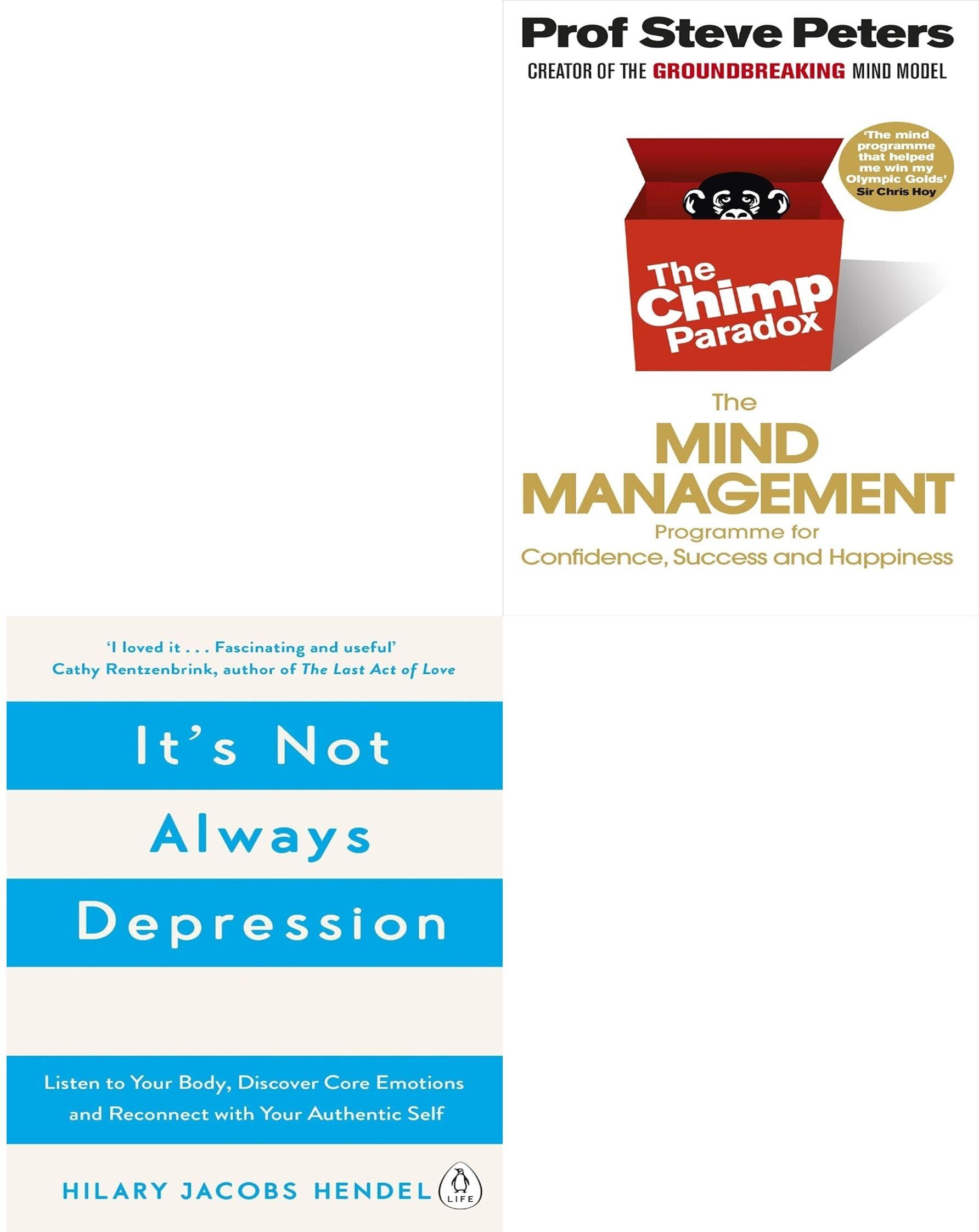
Vermilion It's Not Always Depression, The Chimp Paradox 2 Books Collection SetIt's Not Always Depression, The Chimp Paradox 2 Books Collection Set It's Not Always Depression: A New Theory of Listening to Your Body, Discovering Core Emotions and Reconnecting with Your Authentic Self American Book Fest Best Health Book (Mental Health & Psychology) Award Winner 2018 Cutting-edge and accessible psychotherapy to put us back in touch with our emotions - and fast 'I loved it ... I have drawn my own picture of the change triangle - both fascinating and useful' - Cathy Rentzenbrink We were all taught that our thoughts affect our emotions, but in truth it is largely the other way around: we have to experience our emotions to truly understand our thoughts, and our full selves. This is why we should think not only about cognitive behavioural therapy or medication, but also about our emotions, when addressing psychological suffering. In It's Not Always Depression, pioneering psychotherapist Hilary Jacobs Hendel reveals the most effective techniques for putting us back in touch with the emotions we too often deny - methods which can be used by anyone, any time, anywhere. Drawing on stories from her own practice, she sheds light on the core emotions (such as joy, sadness and fear), defences (anything we do to avoid feeling) and inhibitory emotions (anxiety, shame and guilt), and how understanding their interaction can help us return to mental well-being. This is the basis of 'accelerated experiential dynamic psychotherapy:' it accelerates healing through having an emotional experience in the here and now. It allows you to reacquaint yourself with your feelings, to recover a more authentic self and to be more calm, curious and connected. Winner of Nautilus Silver for Personal Growth Books 2019 The Chimp Paradox: The Acclaimed Mind Management Programme to Help You Achieve Success, Confidence and Happiness Do you sabotage your own happiness and success? Are you struggling to make sense of yourself? Do your emotions sometimes dictate your life? The Chimp Paradox is an incredibly powerful mind management model that can help you become a happy, confident, healthier and more successful person. Prof Steve Peters explains the struggle that takes place within your mind and then shows how to apply this understanding to every area of your life so you can: - Recognise how your mind is working - Understand and manage your emotions and thoughts - Manage yourself and become the person you would like to be The Chimp Mind Management Model is based on scientific facts and principles, which have been simplified into a workable model for easy use. It will help you to develop yourself and give you the skills, for example, to remove anxiety, have confidence and choose your emotions. The book will do this by giving you an understanding of the way in which your mind works and how you can manage it. It will also help you to identify what is holding you back or preventing you from having a happier and more successful life. Each chapter explains different aspects...14,99 £*Shipping: 2,99 £Secure redirect to the provider
-
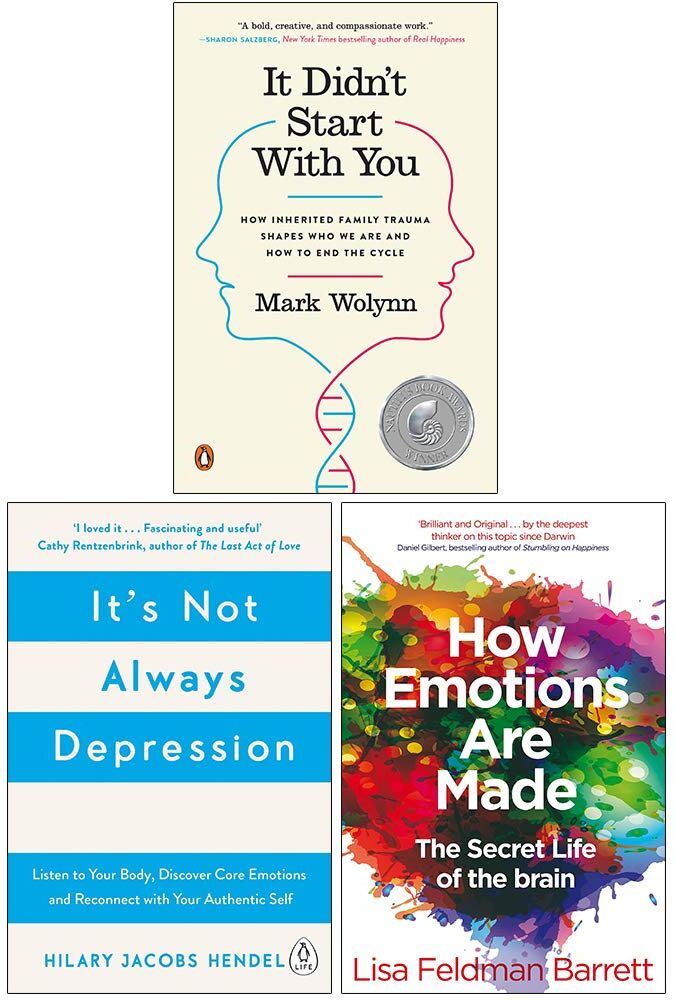
Vermilion/MACMILLAN/Penguin Books Ltd It Didn't Start With You, It's Not Always Depression, How Emotions Are Made The Secret Life Of The Brain 3 Books Collection SetIt Didn't Start With You, It's Not Always Depression, How Emotions Are Made The Secret Life Of The Brain 3 Books Collection Set It Didn't Start With You: Inherited family trauma is currently an area of growing interest, as science increasingly explores what we know intuitively: that the effects of trauma can pass from one generation to the next, and that the answers to some of our greatest life problems often lie not within our own story, but in the experiences of our parents, grandparents, great-grandparents and extended family. Here, pioneer Mark Wolyn shows readers how they can overcome inherited trauma and reclaim their lives. It's Not Always Depression: In It's Not Always Depression, pioneering psychotherapist Hilary Jacobs Hendel reveals the most effective techniques for putting us back in touch with the emotions we too often deny - methods which can be used by anyone, any time, anywhere. Drawing on stories from her own practice, she sheds light on the core emotions (such as joy, sadness and fear), defences (anything we do to avoid feeling) and inhibitory emotions (anxiety, shame and guilt), and how understanding their interaction can help us return to mental well-being. How Emotions Are Made The Secret Life of the Brain: This understanding of emotion has been around since Plato. But what if it is wrong? In How Emotions Are Made, pioneering psychologist and neuroscientist Lisa Feldman Barrett draws on the latest scientific evidence to reveal that our common-sense ideas about emotions are dramatically, even dangerously, out of date - and that we have been paying the price. Emotions aren't universally pre-programmed in our brains and bodies; rather they are psychological experiences16,99 £*Shipping: 2,99 £Secure redirect to the provider
-
Why do gymnasts always wear white socks?
Gymnasts often wear white socks because they provide a clean and polished look that complements their uniform. White socks also help to highlight the lines and movements of the gymnasts' legs during their routines, making it easier for judges and spectators to see their precise footwork and form. Additionally, white socks are a traditional choice in gymnastics and are commonly worn in competitions to maintain a professional and consistent appearance across all athletes. **
-
Do you always wear socks at home?
As an AI, I do not wear socks as I do not have a physical form. However, many people choose to wear socks at home for comfort, warmth, or to protect their feet. It ultimately depends on personal preference and the individual's comfort level. **
-
How long should you always wear socks?
You should always wear socks when you are wearing closed-toe shoes to protect your feet from blisters, odor, and fungal infections. It is recommended to wear socks all day, especially if you are on your feet for long periods of time. However, it is important to take breaks and let your feet breathe by going sockless at times to prevent moisture buildup and allow your feet to air out. **
-
Why do sneaker socks always slip down?
Sneaker socks often slip down because they are designed to be low-cut and have minimal coverage, which can make them more prone to slipping. Additionally, the elastic band at the top of the sock may lose its elasticity over time, causing the sock to slide down. The material of the sock and the fit of the shoe can also contribute to slippage. To prevent this, choosing socks with a better grip or a snugger fit, and ensuring the shoes are the right size, can help keep sneaker socks in place. **
* All prices are inclusive of VAT and, if applicable, plus shipping costs. The offer information is based on the details provided by the respective shop and is updated through automated processes. Real-time updates do not occur, so deviations can occur in individual cases. ** Note: Parts of this content were created by AI.