Buy my-socks.com ?
We are moving the project
my-socks.com .
Are you interested in purchasing the domain
my-socks.com ?
domain@kv-gmbh.de · 0541-91531010
Buy my-socks.com ?
Can a dirty water or submersible pump pump multiple water sources?
Yes, a dirty water or submersible pump can pump water from multiple sources as long as the sources are connected to the pump through a network of pipes or hoses. The pump will draw water from all connected sources simultaneously and pump it out through a single outlet. However, it is important to ensure that the pump has the capacity to handle the combined flow rate of all water sources to prevent overload and potential damage to the pump. **
"Is my water cooling pump broken?"
If you suspect that your water cooling pump is broken, there are a few things you can check. First, make sure that the power supply to the pump is working and that the pump is receiving power. You can also check for any visible leaks or unusual noises coming from the pump. If you are still unsure, it may be best to consult with a professional or the manufacturer for further assistance. **
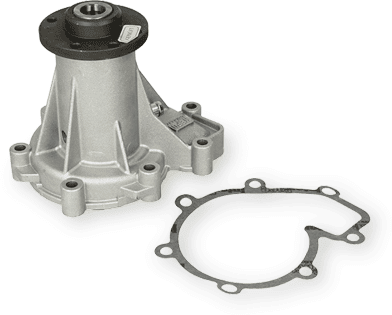
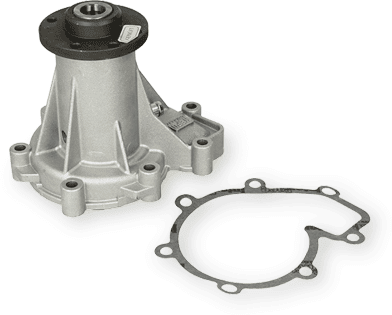
Similar search terms for PartsTec-PTA400-2014-Water-pump
Top-Angebote
Products related to PartsTec-PTA400-2014-Water-pump:



-
Which air-water heat pump?
When choosing an air-water heat pump, it is important to consider factors such as the size of the space you need to heat, the climate of your location, and the energy efficiency of the pump. Some popular and reliable brands in the market include Mitsubishi Electric, Daikin, and Panasonic. It is recommended to consult with a professional HVAC technician to determine the best air-water heat pump for your specific needs and budget. **
-
What attracts the water pump?
The water pump is attracted to water sources such as rivers, lakes, wells, or underground aquifers. It is designed to draw water from these sources and pump it to where it is needed, such as a building or irrigation system. The pump is typically placed close to the water source to minimize the distance the water needs to be pumped. Additionally, the pump is attracted to areas where there is a demand for water, such as agricultural fields, residential areas, or industrial facilities. **
-
What is a water pump?
A water pump is a mechanical device that is used to move water from one place to another. It is commonly used in homes, buildings, and agricultural settings to pump water from a well, a water source, or a storage tank to various points of use. Water pumps come in various types and sizes, including centrifugal pumps, submersible pumps, and diaphragm pumps, and they can be powered by electricity, gasoline, diesel, or even human power. Overall, water pumps play a crucial role in ensuring the efficient distribution and utilization of water for various purposes. **
-
What is the difference between a house water pump with a centrifugal pump and a house water pump with a piston pump?
A house water pump with a centrifugal pump uses a rotating impeller to create a centrifugal force that pushes the water through the pump and into the plumbing system. This type of pump is typically used for higher flow rates and lower pressure applications. On the other hand, a house water pump with a piston pump uses a reciprocating piston to draw water into the pump and then push it out into the plumbing system. This type of pump is better suited for higher pressure applications and is often used in smaller, more compact systems. **

What type of pump is needed for a seepage pit: a dirty water pump or a clean water pump?
A dirty water pump is needed for a seepage pit. This type of pump is designed to handle water with debris and solids, which is typically found in seepage pits due to the accumulation of sediment and organic matter. A clean water pump, on the other hand, is designed for pumping clear or slightly cloudy water and would not be suitable for the conditions found in a seepage pit. **
How much water is in my heat pump?
The amount of water in a heat pump can vary depending on the specific model and size of the unit. Typically, a heat pump contains a refrigerant that circulates through the system to transfer heat. This refrigerant is in a closed loop and does not require regular refilling or replacement. It is important to have a professional HVAC technician inspect and maintain your heat pump to ensure that the refrigerant levels are adequate for optimal performance. **
Top-Angebote
Products related to PartsTec-PTA400-2014-Water-pump:
-
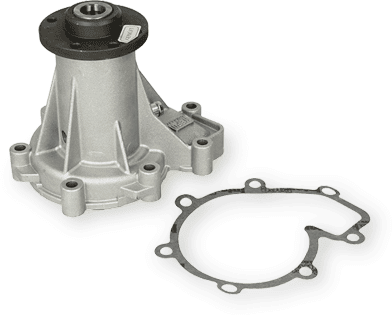
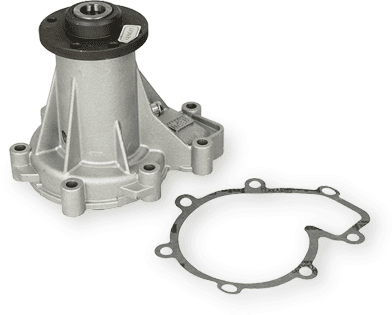
PartsTec PTA400-2014 Water pumpOperating Mode: mechanical; Supplementary Article / Supplementary Info Info 2: non-switchable water pump; TecDoc Engine Number: 31371, 30797, 30650, 27202, 30652, 27263, 34066, 33113, 28035, 26724, 27972, 30651, 27811, 30582, 26722, 26725, 29213, 33133, 28003, 32597, 28543, 31652, 31319, 31328, 31329; Construction Year to: 11/2016, 05/2017156,99 £*Shipping: 1,99 £Secure redirect to the provider
-
Can a dirty water or submersible pump pump multiple water sources?
Yes, a dirty water or submersible pump can pump water from multiple sources as long as the sources are connected to the pump through a network of pipes or hoses. The pump will draw water from all connected sources simultaneously and pump it out through a single outlet. However, it is important to ensure that the pump has the capacity to handle the combined flow rate of all water sources to prevent overload and potential damage to the pump. **
-
"Is my water cooling pump broken?"
If you suspect that your water cooling pump is broken, there are a few things you can check. First, make sure that the power supply to the pump is working and that the pump is receiving power. You can also check for any visible leaks or unusual noises coming from the pump. If you are still unsure, it may be best to consult with a professional or the manufacturer for further assistance. **
-
Which air-water heat pump?
When choosing an air-water heat pump, it is important to consider factors such as the size of the space you need to heat, the climate of your location, and the energy efficiency of the pump. Some popular and reliable brands in the market include Mitsubishi Electric, Daikin, and Panasonic. It is recommended to consult with a professional HVAC technician to determine the best air-water heat pump for your specific needs and budget. **
-
What attracts the water pump?
The water pump is attracted to water sources such as rivers, lakes, wells, or underground aquifers. It is designed to draw water from these sources and pump it to where it is needed, such as a building or irrigation system. The pump is typically placed close to the water source to minimize the distance the water needs to be pumped. Additionally, the pump is attracted to areas where there is a demand for water, such as agricultural fields, residential areas, or industrial facilities. **
Similar search terms for PartsTec-PTA400-2014-Water-pump
-
What is a water pump?
A water pump is a mechanical device that is used to move water from one place to another. It is commonly used in homes, buildings, and agricultural settings to pump water from a well, a water source, or a storage tank to various points of use. Water pumps come in various types and sizes, including centrifugal pumps, submersible pumps, and diaphragm pumps, and they can be powered by electricity, gasoline, diesel, or even human power. Overall, water pumps play a crucial role in ensuring the efficient distribution and utilization of water for various purposes. **
-
What is the difference between a house water pump with a centrifugal pump and a house water pump with a piston pump?
A house water pump with a centrifugal pump uses a rotating impeller to create a centrifugal force that pushes the water through the pump and into the plumbing system. This type of pump is typically used for higher flow rates and lower pressure applications. On the other hand, a house water pump with a piston pump uses a reciprocating piston to draw water into the pump and then push it out into the plumbing system. This type of pump is better suited for higher pressure applications and is often used in smaller, more compact systems. **
-
What type of pump is needed for a seepage pit: a dirty water pump or a clean water pump?
A dirty water pump is needed for a seepage pit. This type of pump is designed to handle water with debris and solids, which is typically found in seepage pits due to the accumulation of sediment and organic matter. A clean water pump, on the other hand, is designed for pumping clear or slightly cloudy water and would not be suitable for the conditions found in a seepage pit. **
-
How much water is in my heat pump?
The amount of water in a heat pump can vary depending on the specific model and size of the unit. Typically, a heat pump contains a refrigerant that circulates through the system to transfer heat. This refrigerant is in a closed loop and does not require regular refilling or replacement. It is important to have a professional HVAC technician inspect and maintain your heat pump to ensure that the refrigerant levels are adequate for optimal performance. **
* All prices are inclusive of VAT and, if applicable, plus shipping costs. The offer information is based on the details provided by the respective shop and is updated through automated processes. Real-time updates do not occur, so deviations can occur in individual cases. ** Note: Parts of this content were created by AI.