Buy my-socks.com ?
We are moving the project
my-socks.com .
Are you interested in purchasing the domain
my-socks.com ?
domain@kv-gmbh.de · 0541-91531010
Buy my-socks.com ?
Is my alternator not producing enough power?
If you suspect that your alternator is not producing enough power, there are a few signs to look out for. These may include dimming headlights, a dead battery, strange noises coming from the engine, or warning lights on the dashboard. It is important to have your alternator tested by a professional to determine if it is the cause of the issue and to prevent further damage to your vehicle. **
What is period 3036?
Period 3036 refers to the year 3036 in the Gregorian calendar. This period is a point in time approximately 1016 years in the future from the current year. It is a hypothetical time period that has not yet occurred, and any events or developments related to this period are purely speculative. **

Similar search terms for POWER-TRUCK-PTC-3036-Alternator
Top-Angebote
Products related to POWER-TRUCK-PTC-3036-Alternator:
-
POWER TRUCK PTC-3072 AlternatorAlternator Charging Current [A]: 80; Voltage [V]: 24; Connector/Clamp: with connection for speed sensor; Exchange Part: ; Guarantee: 2 years guarantee; Pulleys: without belt pulley; Rotation Direction: Clockwise rotation, Anticlockwise rotation; Number of ribs: 1; Belt Pulley Ø [mm]: 71,7; Construction Year from: 01/2000, 04/1998, 09/1999, 02/1996; Construction Year to: 03/2001, 05/2000; Engine Code: MIDR06.23.56A/41, MIDR06.23.56B/41, MIDR06.24.65A/42, MIDR06.24.65B/42, MIDR06.24.65C/42, MIDR06.20.45E3, MIDR06.20.45E/41, MIDR06.20.45D/41, MIDR06.20.45B3, MIDR06.20.45C/4; Manufacturer Restriction: Paris Rhone184,99 £*Shipping: 1,99 £Secure redirect to the provider
-
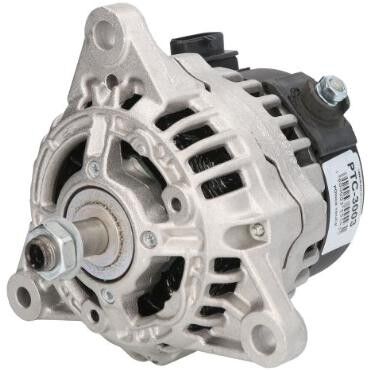
POWER TRUCK PTC-3003 AlternatorRated Voltage [V]: 24; Alternator Charging Current [A]: 55; Fastening Type: 3-point attachment; Pulleys: without belt pulley; Recommended additional repairs: V-Belt/V-ribbed Belt; Construction Year from: 07/2001, 06/1996, 10/2002, 09/2002, 09/2000, 11/1999, 06/2001, 06/2002, 06/2004, 01/2006, 08/1995, 01/2002, 06/2003, 01/2001, 07/1999, 01/2000; Construction Year to: 12/2006, 12/1995, 12/2001, 09/2001, 08/2001, 07/2001, 03/2004, 12/2005, 04/2007, 08/2002, 05/2004, 06/2003, 06/2005, 06/2002, 08/2004, 06/2006, 09/2006, 09/2002, 06/2004, 12/2004, 02/2008, 01/2006, 06/2007, 05/2010, 09/2003, 10/2003, 12/2003, 11/2003, 07/2005, 03/2005, 12/2002, 10/2006, 03/2001; usable for vehicles with alternator charging current [A]: 55; Gear Ratio: 1:4,00; TecDoc Engine Number: 15049, 15051, 16203, 16205, 6591, 16498, 16499, 16502, 16204, 15050, 15048, 16752, 16521, 14289, 16504, 16500, 16503, 16501, 14313, 16522, 16467, 14308, 14311, 14312, 7773, 17050, 7771, 16754, 19971, 16751; Vehicle type: <TG 460A D>, <TG 360A D>, <TG 360A DF>, <TG 510A DF>, <TG 310A DF>, <TGA 26.310 FD>, <M2000M>, <M2000M Evolution>, <LE 18.250B F, FL>, <FE 460A DF>, <26.464 DFL>, <26.464 FNL>, <26.464 FNLL>, <26.464 FVL>, <A69>, <A85>; Engine Code: D 0836 LOH03<Euro 3>, D 0836 LOH02<Euro 3>163,99 £*Shipping: 1,99 £Secure redirect to the provider

-
Does the alternator produce more power when driving?
Yes, the alternator does produce more power when the vehicle is driving. When the engine is running, the alternator is being turned by the engine's belt, which generates electricity to power the vehicle's electrical systems and recharge the battery. The alternator produces more power when the engine is running at higher RPMs, such as when the vehicle is driving at higher speeds. This is because the faster the engine turns, the faster the alternator spins, resulting in more electricity being generated. **
-
How do you heat PTC?
PTC (Positive Temperature Coefficient) heating elements can be heated by passing an electric current through them. When an electric current is applied, the resistance of the PTC material increases, causing it to heat up. This self-regulating property makes PTC heating elements efficient and safe for various applications such as heating pads, automotive heaters, and hair dryers. The amount of heat produced can be controlled by adjusting the voltage or current supplied to the PTC element. **
-
How much power in watts does an alternator generate?
An alternator typically generates between 500 to 1500 watts of power, depending on the size and capacity of the vehicle. This power output is used to charge the vehicle's battery and power the electrical systems while the engine is running. The alternator's power output can vary based on the engine speed and electrical load of the vehicle. **
-
What is the content of employment contract 3036?
I'm sorry, but I cannot provide the specific content of employment contract 3036 as it is a private and confidential document between the employer and employee. Employment contracts typically include details such as job title, responsibilities, salary, benefits, working hours, and other terms and conditions of employment. If you have a specific question about employment contracts or need assistance with understanding a contract, I'd be happy to help in a general sense. **


Is my motorcycle's alternator defective?
To determine if your motorcycle's alternator is defective, you can perform a few tests. First, check the battery voltage with the engine off and then again with the engine running. If the voltage doesn't increase when the engine is running, it could indicate a problem with the alternator. You can also use a multimeter to test the output of the alternator to see if it is within the manufacturer's specifications. Additionally, if you notice dimming headlights or other electrical issues while riding, it could be a sign of a defective alternator. If any of these tests indicate a problem, it's best to have a professional mechanic inspect and diagnose the issue. **
What is the content of the employment contract 3036?
The content of employment contract 3036 includes details such as the names and addresses of the employer and employee, the job title and description, the start date of employment, working hours, salary or wages, benefits, probation period if applicable, notice period for termination, and any other specific terms and conditions agreed upon by both parties. It also typically outlines the rights and responsibilities of both the employer and the employee during the course of employment. **
Top-Angebote
Products related to POWER-TRUCK-PTC-3036-Alternator:
-
POWER TRUCK PTC-3036 AlternatorUsed part return not required: ; Alternator Charging Current [A]: 90; New part without deposit: ; Pulleys: without belt pulley; Voltage [V]: 28; Construction Year to: 08/2002, 10/2001, 09/2004, 02/2002, 05/1999, 01/2000, 08/2001; Engine Code: DSC9.11, DSC9.13, DSC9.15, DC9.02, DSC9.12, DC11.01, DC11.03, DC11.02, DSC11.79, DSC12.02, DSC12.01, DSC12.05, DSC14.15, DSC14.13, DC12.01196,99 £*Shipping: 1,99 £Secure redirect to the provider
-
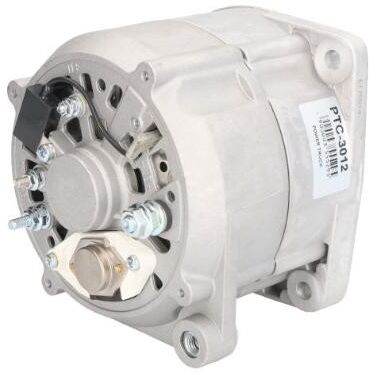
POWER TRUCK PTC-3012 AlternatorExchange Part: ; Rated Voltage [V]: 24; Alternator Charging Current [A]: 65; Fastening Type: Double Pivot Lever; Pulleys: without belt pulley; Recommended additional repairs: V-Belt/V-ribbed Belt; Construction Year to: 08/2002, 12/2005, 09/2004, 10/2001, 02/2002, 05/1999, 01/2000, 08/2001, 05/2004; usable for vehicles with alternator charging current [A]: 65; TecDoc Engine Number: 8855, 15411, 15412, 8853, 12608, 15415, 12772, 12768, 12870, 15418, 15408, 16495, 12769, 15413, 15416, 8893, 22369; Construction Year from: 03/1998, 05/1998, 09/1996, 01/1996, 04/1997, 09/1995, 02/1997, 02/2000, 09/2000, 04/2000, 08/1996, 02/1996, 03/1996, 04/1999, 09/2001; Clamp: - Isol. 31; Engine Code: DSC 9.15<Euro 2>, DSC 9.13<Euro 2>, DC 9.04<Euro 3>, DC 11.06<Euro 3>, DC 11.04<Euro 3>, DC 9.05<Euro 3>, DC 12.02<Euro 3>, DSC 11.74<Euro 1>, DC 16.02<Euro 3>, DC 16.01<Euro 3>205,99 £*Shipping: 1,99 £Secure redirect to the provider
-
POWER TRUCK PTC-3072 AlternatorAlternator Charging Current [A]: 80; Voltage [V]: 24; Connector/Clamp: with connection for speed sensor; Exchange Part: ; Guarantee: 2 years guarantee; Pulleys: without belt pulley; Rotation Direction: Clockwise rotation, Anticlockwise rotation; Number of ribs: 1; Belt Pulley Ø [mm]: 71,7; Construction Year from: 01/2000, 04/1998, 09/1999, 02/1996; Construction Year to: 03/2001, 05/2000; Engine Code: MIDR06.23.56A/41, MIDR06.23.56B/41, MIDR06.24.65A/42, MIDR06.24.65B/42, MIDR06.24.65C/42, MIDR06.20.45E3, MIDR06.20.45E/41, MIDR06.20.45D/41, MIDR06.20.45B3, MIDR06.20.45C/4; Manufacturer Restriction: Paris Rhone184,99 £*Shipping: 1,99 £Secure redirect to the provider
-
Is my alternator not producing enough power?
If you suspect that your alternator is not producing enough power, there are a few signs to look out for. These may include dimming headlights, a dead battery, strange noises coming from the engine, or warning lights on the dashboard. It is important to have your alternator tested by a professional to determine if it is the cause of the issue and to prevent further damage to your vehicle. **
-
What is period 3036?
Period 3036 refers to the year 3036 in the Gregorian calendar. This period is a point in time approximately 1016 years in the future from the current year. It is a hypothetical time period that has not yet occurred, and any events or developments related to this period are purely speculative. **
-
Does the alternator produce more power when driving?
Yes, the alternator does produce more power when the vehicle is driving. When the engine is running, the alternator is being turned by the engine's belt, which generates electricity to power the vehicle's electrical systems and recharge the battery. The alternator produces more power when the engine is running at higher RPMs, such as when the vehicle is driving at higher speeds. This is because the faster the engine turns, the faster the alternator spins, resulting in more electricity being generated. **
-
How do you heat PTC?
PTC (Positive Temperature Coefficient) heating elements can be heated by passing an electric current through them. When an electric current is applied, the resistance of the PTC material increases, causing it to heat up. This self-regulating property makes PTC heating elements efficient and safe for various applications such as heating pads, automotive heaters, and hair dryers. The amount of heat produced can be controlled by adjusting the voltage or current supplied to the PTC element. **
Similar search terms for POWER-TRUCK-PTC-3036-Alternator
-
POWER TRUCK PTC-3003 AlternatorRated Voltage [V]: 24; Alternator Charging Current [A]: 55; Fastening Type: 3-point attachment; Pulleys: without belt pulley; Recommended additional repairs: V-Belt/V-ribbed Belt; Construction Year from: 07/2001, 06/1996, 10/2002, 09/2002, 09/2000, 11/1999, 06/2001, 06/2002, 06/2004, 01/2006, 08/1995, 01/2002, 06/2003, 01/2001, 07/1999, 01/2000; Construction Year to: 12/2006, 12/1995, 12/2001, 09/2001, 08/2001, 07/2001, 03/2004, 12/2005, 04/2007, 08/2002, 05/2004, 06/2003, 06/2005, 06/2002, 08/2004, 06/2006, 09/2006, 09/2002, 06/2004, 12/2004, 02/2008, 01/2006, 06/2007, 05/2010, 09/2003, 10/2003, 12/2003, 11/2003, 07/2005, 03/2005, 12/2002, 10/2006, 03/2001; usable for vehicles with alternator charging current [A]: 55; Gear Ratio: 1:4,00; TecDoc Engine Number: 15049, 15051, 16203, 16205, 6591, 16498, 16499, 16502, 16204, 15050, 15048, 16752, 16521, 14289, 16504, 16500, 16503, 16501, 14313, 16522, 16467, 14308, 14311, 14312, 7773, 17050, 7771, 16754, 19971, 16751; Vehicle type: <TG 460A D>, <TG 360A D>, <TG 360A DF>, <TG 510A DF>, <TG 310A DF>, <TGA 26.310 FD>, <M2000M>, <M2000M Evolution>, <LE 18.250B F, FL>, <FE 460A DF>, <26.464 DFL>, <26.464 FNL>, <26.464 FNLL>, <26.464 FVL>, <A69>, <A85>; Engine Code: D 0836 LOH03<Euro 3>, D 0836 LOH02<Euro 3>163,99 £*Shipping: 1,99 £Secure redirect to the provider
-
POWER TRUCK PTC-3014 AlternatorExchange Part: ; Alternator Charging Current [A]: 80; Voltage [V]: 28; Pulleys: without belt pulley; Engine Code: XF250M, XF280M, XF315M, PF183M, XE280C, XE315C, XE355C, XE390C, PE183C, PE228C, PE265C, XE250C, MX265, XF355M, PR228S, PR183S, PR265S; Construction Year from: 10/2001, 04/2007, 04/2001116,99 £*Shipping: 8,45 £Secure redirect to the provider
-
How much power in watts does an alternator generate?
An alternator typically generates between 500 to 1500 watts of power, depending on the size and capacity of the vehicle. This power output is used to charge the vehicle's battery and power the electrical systems while the engine is running. The alternator's power output can vary based on the engine speed and electrical load of the vehicle. **
-
What is the content of employment contract 3036?
I'm sorry, but I cannot provide the specific content of employment contract 3036 as it is a private and confidential document between the employer and employee. Employment contracts typically include details such as job title, responsibilities, salary, benefits, working hours, and other terms and conditions of employment. If you have a specific question about employment contracts or need assistance with understanding a contract, I'd be happy to help in a general sense. **
-
Is my motorcycle's alternator defective?
To determine if your motorcycle's alternator is defective, you can perform a few tests. First, check the battery voltage with the engine off and then again with the engine running. If the voltage doesn't increase when the engine is running, it could indicate a problem with the alternator. You can also use a multimeter to test the output of the alternator to see if it is within the manufacturer's specifications. Additionally, if you notice dimming headlights or other electrical issues while riding, it could be a sign of a defective alternator. If any of these tests indicate a problem, it's best to have a professional mechanic inspect and diagnose the issue. **
-
What is the content of the employment contract 3036?
The content of employment contract 3036 includes details such as the names and addresses of the employer and employee, the job title and description, the start date of employment, working hours, salary or wages, benefits, probation period if applicable, notice period for termination, and any other specific terms and conditions agreed upon by both parties. It also typically outlines the rights and responsibilities of both the employer and the employee during the course of employment. **
* All prices are inclusive of VAT and, if applicable, plus shipping costs. The offer information is based on the details provided by the respective shop and is updated through automated processes. Real-time updates do not occur, so deviations can occur in individual cases. ** Note: Parts of this content were created by AI.