Buy my-socks.com ?
We are moving the project
my-socks.com .
Are you interested in purchasing the domain
my-socks.com ?
domain@kv-gmbh.de · 0541-91531010
Buy my-socks.com ?
How many rooms does the hibiscus have hanging leaves and weak flowers?
The hibiscus plant typically has five petals and a single flower, so it does not have "rooms" in the traditional sense. The leaves of the hibiscus plant are not hanging, but rather grow in an alternate pattern along the stem. The flowers of the hibiscus plant are not considered weak, as they are known for their vibrant colors and large size. **
Does my hibiscus plant have sunburn?
To determine if your hibiscus plant has sunburn, look for signs such as yellowing or browning of the leaves, wilting, or a dried-out appearance. Sunburn on hibiscus plants is often caused by excessive exposure to direct sunlight, especially during the hottest part of the day. If you notice these symptoms, try moving the plant to a location with partial shade or providing some protection from the intense sun. Additionally, make sure the plant is receiving adequate water to help it recover from any sun damage. **
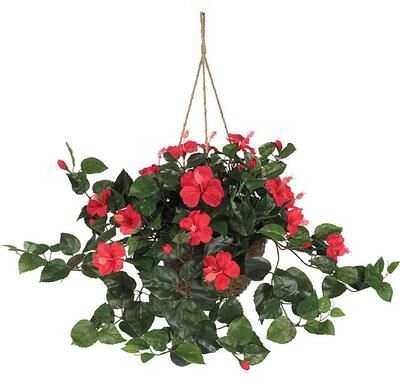

Similar search terms for Nearly-Natural-Hibiscus-Hanging
Top-Angebote
Products related to Nearly-Natural-Hibiscus-Hanging:



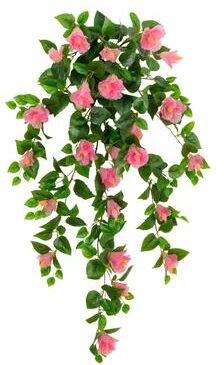
-
'Does hibiscus taste good?'
Hibiscus has a tart and tangy flavor, which some people enjoy while others may find it too strong. The taste can be described as slightly floral with a hint of cranberry or citrus. Hibiscus is commonly used to make herbal teas and is also used as a flavoring in various dishes and beverages. Overall, whether hibiscus tastes good is subjective and depends on individual preferences. **
-
What harmful factors are destroying my hibiscus?
There are several harmful factors that could be destroying your hibiscus, including pests such as aphids, whiteflies, and spider mites that can suck the sap from the leaves and cause damage. Additionally, diseases such as powdery mildew, leaf spot, and root rot can also harm the plant. Overwatering or underwatering, poor soil quality, and extreme temperatures can also negatively impact the health of your hibiscus. It's important to regularly inspect your plant for signs of pests or diseases, and to ensure it is receiving proper care and maintenance to prevent these harmful factors from taking a toll on your hibiscus. **
-
How can I save my hibiscus tree?
To save your hibiscus tree, you can start by ensuring it is planted in well-draining soil and receives plenty of sunlight. Make sure to water it regularly, keeping the soil consistently moist but not waterlogged. Prune any dead or diseased branches to promote new growth and improve air circulation. Additionally, you can feed your hibiscus tree with a balanced fertilizer to provide it with essential nutrients. Finally, monitor for any pests or diseases and take appropriate measures to address them promptly. **
-
Is hibiscus toxic to rats?
Yes, hibiscus is toxic to rats. The plant contains compounds that can be harmful to rats if ingested. These compounds can cause digestive issues, organ damage, and other health problems in rats. It is important to keep hibiscus and other toxic plants out of reach of pet rats to ensure their safety. **

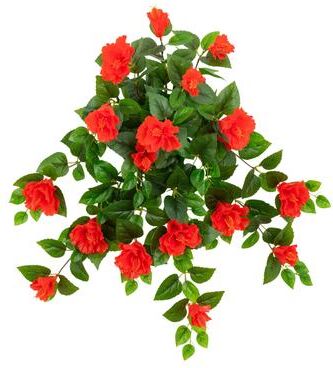
'Hibiscus has lice, see pictures.'
It is important to address the issue of lice on hibiscus plants as soon as possible to prevent further damage. Lice can cause yellowing of leaves, stunted growth, and overall decline in plant health. To treat the infestation, you can use insecticidal soap or neem oil, which are effective and safe options for controlling lice on hibiscus plants. It is also important to regularly inspect your plants for any signs of pests and take appropriate measures to prevent infestations. **
Is hibiscus toxic to cats?
Yes, hibiscus is toxic to cats. The plant contains compounds that can cause gastrointestinal upset, vomiting, and diarrhea in cats if ingested. In severe cases, it can also lead to lethargy, loss of appetite, and even kidney damage. It's important to keep hibiscus plants out of reach of cats and seek veterinary attention if you suspect your cat has ingested any part of the plant. **
Top-Angebote
Products related to Nearly-Natural-Hibiscus-Hanging:
-
Nearly Natural Hibiscus Hanging BasketHibiscus is one of the most distinct-looking blossoms that Mother Nature offers, Silk plant is splashy and full of life, Decorative accessory features the classic petal shape and distinct center stalk of the hibiscus72,48 $*Shipping: 0,00 $Secure redirect to the provider
-
How many rooms does the hibiscus have hanging leaves and weak flowers?
The hibiscus plant typically has five petals and a single flower, so it does not have "rooms" in the traditional sense. The leaves of the hibiscus plant are not hanging, but rather grow in an alternate pattern along the stem. The flowers of the hibiscus plant are not considered weak, as they are known for their vibrant colors and large size. **
-
Does my hibiscus plant have sunburn?
To determine if your hibiscus plant has sunburn, look for signs such as yellowing or browning of the leaves, wilting, or a dried-out appearance. Sunburn on hibiscus plants is often caused by excessive exposure to direct sunlight, especially during the hottest part of the day. If you notice these symptoms, try moving the plant to a location with partial shade or providing some protection from the intense sun. Additionally, make sure the plant is receiving adequate water to help it recover from any sun damage. **
-
'Does hibiscus taste good?'
Hibiscus has a tart and tangy flavor, which some people enjoy while others may find it too strong. The taste can be described as slightly floral with a hint of cranberry or citrus. Hibiscus is commonly used to make herbal teas and is also used as a flavoring in various dishes and beverages. Overall, whether hibiscus tastes good is subjective and depends on individual preferences. **
-
What harmful factors are destroying my hibiscus?
There are several harmful factors that could be destroying your hibiscus, including pests such as aphids, whiteflies, and spider mites that can suck the sap from the leaves and cause damage. Additionally, diseases such as powdery mildew, leaf spot, and root rot can also harm the plant. Overwatering or underwatering, poor soil quality, and extreme temperatures can also negatively impact the health of your hibiscus. It's important to regularly inspect your plant for signs of pests or diseases, and to ensure it is receiving proper care and maintenance to prevent these harmful factors from taking a toll on your hibiscus. **
Similar search terms for Nearly-Natural-Hibiscus-Hanging
-
How can I save my hibiscus tree?
To save your hibiscus tree, you can start by ensuring it is planted in well-draining soil and receives plenty of sunlight. Make sure to water it regularly, keeping the soil consistently moist but not waterlogged. Prune any dead or diseased branches to promote new growth and improve air circulation. Additionally, you can feed your hibiscus tree with a balanced fertilizer to provide it with essential nutrients. Finally, monitor for any pests or diseases and take appropriate measures to address them promptly. **
-
Is hibiscus toxic to rats?
Yes, hibiscus is toxic to rats. The plant contains compounds that can be harmful to rats if ingested. These compounds can cause digestive issues, organ damage, and other health problems in rats. It is important to keep hibiscus and other toxic plants out of reach of pet rats to ensure their safety. **
-
'Hibiscus has lice, see pictures.'
It is important to address the issue of lice on hibiscus plants as soon as possible to prevent further damage. Lice can cause yellowing of leaves, stunted growth, and overall decline in plant health. To treat the infestation, you can use insecticidal soap or neem oil, which are effective and safe options for controlling lice on hibiscus plants. It is also important to regularly inspect your plants for any signs of pests and take appropriate measures to prevent infestations. **
-
Is hibiscus toxic to cats?
Yes, hibiscus is toxic to cats. The plant contains compounds that can cause gastrointestinal upset, vomiting, and diarrhea in cats if ingested. In severe cases, it can also lead to lethargy, loss of appetite, and even kidney damage. It's important to keep hibiscus plants out of reach of cats and seek veterinary attention if you suspect your cat has ingested any part of the plant. **
* All prices are inclusive of VAT and, if applicable, plus shipping costs. The offer information is based on the details provided by the respective shop and is updated through automated processes. Real-time updates do not occur, so deviations can occur in individual cases. ** Note: Parts of this content were created by AI.