Buy my-socks.com ?
We are moving the project
my-socks.com .
Are you interested in purchasing the domain
my-socks.com ?
domain@kv-gmbh.de · 0541-91531010
Buy my-socks.com ?
Which socks go with green shoes?
A pair of white or black socks would go well with green shoes. White socks can provide a clean and classic look, while black socks can create a more sophisticated and sleek appearance. Both options would complement the green shoes without clashing with the color. **
Compare bamboo and lucky bamboo.
Bamboo and lucky bamboo are both types of plants, but they belong to different species. Regular bamboo is a type of grass that can grow very tall and is often used for construction and as a food source. Lucky bamboo, on the other hand, is a smaller plant that is often grown indoors as a decorative plant and is believed to bring good luck and prosperity according to Feng Shui beliefs. Additionally, lucky bamboo is typically grown in water, while regular bamboo is grown in soil. **

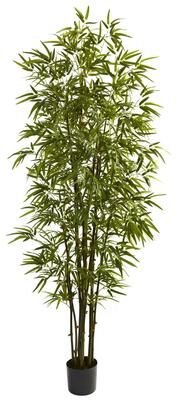
Similar search terms for Nearly-Natural-Green-Bamboo
Top-Angebote
Products related to Nearly-Natural-Green-Bamboo:
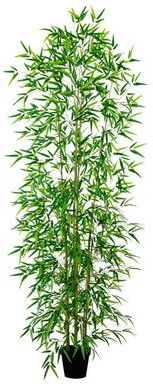

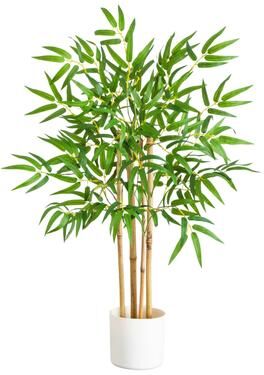

-
Instead of bamboo shoots, bamboo strips?
Yes, bamboo strips can be used as a substitute for bamboo shoots in certain recipes. However, it's important to note that bamboo strips have a different texture and flavor compared to bamboo shoots. Bamboo strips are typically more fibrous and may require longer cooking times to become tender. They are commonly used in stir-fries, soups, and salads, adding a unique crunch and earthy flavor to the dish. **
-
How can a natural green area be maintained without irrigation?
A natural green area can be maintained without irrigation by choosing native plants that are well-adapted to the local climate and soil conditions. These plants are more likely to survive and thrive without the need for additional watering. Additionally, using organic mulch can help retain moisture in the soil and reduce the need for irrigation. Proper soil preparation, such as adding organic matter and improving drainage, can also help plants access water more effectively. Finally, regular maintenance practices such as weeding, pruning, and monitoring for pests and diseases can help ensure the health and vitality of the natural green area without relying on irrigation. **
-
'Bamboo lower classifications'
Bamboo belongs to the subfamily Bambusoideae within the grass family Poaceae. It is further classified into two tribes: Bambuseae and Olyreae. Bambuseae includes the majority of bamboo species and is characterized by having woody stems and a unique flowering pattern. Olyreae, on the other hand, consists of herbaceous bamboos with smaller, thinner stems. These lower classifications help to categorize and understand the diverse range of bamboo species found around the world. **
-
Is bamboo weatherproof?
Yes, bamboo is weatherproof to some extent. It is naturally resistant to water and can withstand some exposure to the elements. However, prolonged exposure to moisture and extreme weather conditions can cause bamboo to deteriorate over time. To enhance its weatherproof qualities, bamboo can be treated with sealants or coatings to provide additional protection against the elements. **
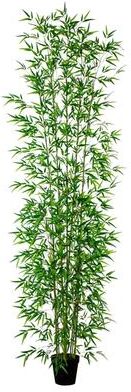

Can I trim my lucky bamboo?
Yes, you can trim your lucky bamboo to maintain its shape and size. Use clean, sharp scissors or pruning shears to trim the stems at a 45-degree angle just above a node (the raised ring on the stem where leaves grow). This will encourage new growth and keep your lucky bamboo looking healthy and vibrant. Just be sure not to trim off more than one-third of the plant's total height at a time to avoid stressing the plant. **
If a bamboo stick
If a bamboo stick is cut into smaller pieces, it can be used for a variety of purposes such as crafting, building, or even as a sustainable alternative to plastic straws. Bamboo is known for its strength and flexibility, making it a versatile material for many different applications. Additionally, bamboo is a renewable resource that grows quickly, making it an environmentally friendly choice for various projects. **
Top-Angebote
Products related to Nearly-Natural-Green-Bamboo:
-
Nearly Natural Green/White Bamboo TreeWarm your new neighbor's house and heart with this fuss-free bamboo tree. Crafted to last without fading even in sunlight, this UV-resistant tree stands tall on a white planter filled with river rocks for added beauty.213,99 $*Shipping: 0,00 $Secure redirect to the provider
-
Nearly Natural Green Bamboo 7-inch TreeTurn any room into a forest with this grand bamboo tree. Standing a full seven feet tall, this beauty has 10 trunks and more than 2200 individual leaves, for a full, healthy look that will endure, without water or sun.215,49 $*Shipping: 0,00 $Secure redirect to the provider
-
Which socks go with green shoes?
A pair of white or black socks would go well with green shoes. White socks can provide a clean and classic look, while black socks can create a more sophisticated and sleek appearance. Both options would complement the green shoes without clashing with the color. **
-
Compare bamboo and lucky bamboo.
Bamboo and lucky bamboo are both types of plants, but they belong to different species. Regular bamboo is a type of grass that can grow very tall and is often used for construction and as a food source. Lucky bamboo, on the other hand, is a smaller plant that is often grown indoors as a decorative plant and is believed to bring good luck and prosperity according to Feng Shui beliefs. Additionally, lucky bamboo is typically grown in water, while regular bamboo is grown in soil. **
-
Instead of bamboo shoots, bamboo strips?
Yes, bamboo strips can be used as a substitute for bamboo shoots in certain recipes. However, it's important to note that bamboo strips have a different texture and flavor compared to bamboo shoots. Bamboo strips are typically more fibrous and may require longer cooking times to become tender. They are commonly used in stir-fries, soups, and salads, adding a unique crunch and earthy flavor to the dish. **
-
How can a natural green area be maintained without irrigation?
A natural green area can be maintained without irrigation by choosing native plants that are well-adapted to the local climate and soil conditions. These plants are more likely to survive and thrive without the need for additional watering. Additionally, using organic mulch can help retain moisture in the soil and reduce the need for irrigation. Proper soil preparation, such as adding organic matter and improving drainage, can also help plants access water more effectively. Finally, regular maintenance practices such as weeding, pruning, and monitoring for pests and diseases can help ensure the health and vitality of the natural green area without relying on irrigation. **
Similar search terms for Nearly-Natural-Green-Bamboo
-
'Bamboo lower classifications'
Bamboo belongs to the subfamily Bambusoideae within the grass family Poaceae. It is further classified into two tribes: Bambuseae and Olyreae. Bambuseae includes the majority of bamboo species and is characterized by having woody stems and a unique flowering pattern. Olyreae, on the other hand, consists of herbaceous bamboos with smaller, thinner stems. These lower classifications help to categorize and understand the diverse range of bamboo species found around the world. **
-
Is bamboo weatherproof?
Yes, bamboo is weatherproof to some extent. It is naturally resistant to water and can withstand some exposure to the elements. However, prolonged exposure to moisture and extreme weather conditions can cause bamboo to deteriorate over time. To enhance its weatherproof qualities, bamboo can be treated with sealants or coatings to provide additional protection against the elements. **
-
Can I trim my lucky bamboo?
Yes, you can trim your lucky bamboo to maintain its shape and size. Use clean, sharp scissors or pruning shears to trim the stems at a 45-degree angle just above a node (the raised ring on the stem where leaves grow). This will encourage new growth and keep your lucky bamboo looking healthy and vibrant. Just be sure not to trim off more than one-third of the plant's total height at a time to avoid stressing the plant. **
-
If a bamboo stick
If a bamboo stick is cut into smaller pieces, it can be used for a variety of purposes such as crafting, building, or even as a sustainable alternative to plastic straws. Bamboo is known for its strength and flexibility, making it a versatile material for many different applications. Additionally, bamboo is a renewable resource that grows quickly, making it an environmentally friendly choice for various projects. **
* All prices are inclusive of VAT and, if applicable, plus shipping costs. The offer information is based on the details provided by the respective shop and is updated through automated processes. Real-time updates do not occur, so deviations can occur in individual cases. ** Note: Parts of this content were created by AI.