Buy my-socks.com ?
We are moving the project
my-socks.com .
Are you interested in purchasing the domain
my-socks.com ?
domain@kv-gmbh.de · 0541-91531010
Buy my-socks.com ?
Is my Aloe Vera dead?
To determine if your Aloe Vera plant is dead, you can check the leaves for signs of life. If the leaves are brown, mushy, and falling off, it is likely dead. However, if the leaves are still green and firm, there is a chance that it is still alive. You can also check the base of the plant for any new growth or roots. If there are new shoots or roots, then the plant may still be alive and can be revived with proper care. **
How should I water my aloe?
Aloe plants prefer to be watered deeply but infrequently. Allow the soil to dry out completely between waterings to prevent root rot. When watering, make sure to thoroughly saturate the soil and allow any excess water to drain out of the bottom of the pot. It's best to water your aloe plant once every 2-3 weeks, depending on the temperature and humidity levels in your home. **

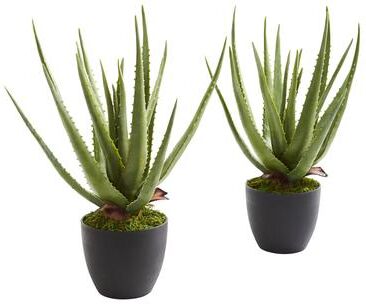
Similar search terms for Nearly-Natural-9-Aloe
Top-Angebote
Products related to Nearly-Natural-9-Aloe:

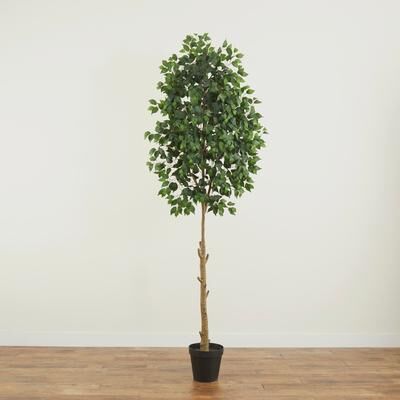

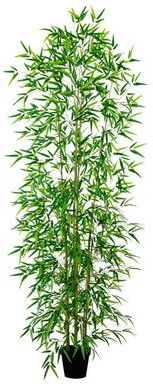
-
What does my Aloe Vera have?
Your Aloe Vera plant has thick, fleshy leaves that contain a gel-like substance. This gel is rich in vitamins, minerals, antioxidants, and amino acids, making it a popular ingredient in skincare products. Aloe Vera is known for its soothing and healing properties, making it a versatile plant to have for both medicinal and cosmetic purposes. **
-
What's wrong with my Aloe Vera?
There are a few common issues that could be affecting your Aloe Vera plant. Yellowing or browning leaves could be a sign of overwatering or underwatering. Make sure the plant is getting the right amount of sunlight and water. If the leaves are turning mushy or black, it could be a sign of root rot, which is caused by overwatering. Check the roots for any signs of rot and adjust your watering schedule accordingly. Additionally, if the plant is not getting enough sunlight, it may become leggy or start to lean towards the light source. Make sure to place your Aloe Vera plant in a location where it can receive adequate sunlight. **
-
Can I save my Aloe Vera?
Yes, you can save your Aloe Vera plant if it is not too far gone. First, assess the condition of the plant and determine the cause of its distress, such as overwatering or inadequate sunlight. Then, take appropriate action to address the issue, such as adjusting the watering schedule or moving the plant to a sunnier location. Trim off any damaged or dead leaves, and repot the plant if necessary. With proper care and attention, your Aloe Vera plant has a good chance of recovery. **
-
Since when have sneaker socks been in fashion?
Sneaker socks have been in fashion since the late 2000s, gaining popularity as a stylish and practical option for wearing with sneakers and low-cut shoes. They are designed to be low-profile and invisible when worn with shoes, making them a popular choice for those who want the comfort of socks without the bulkiness. Sneaker socks have become a staple in many people's wardrobes, especially during the warmer months when wearing sandals or low-cut shoes. **

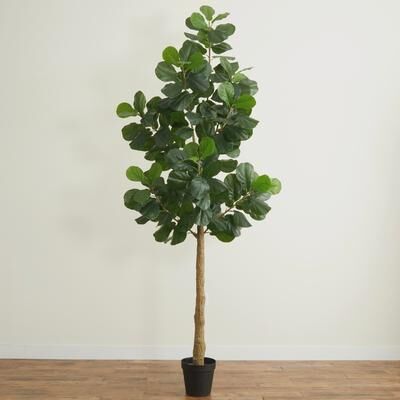
Is Aloe Vera healthy?
Yes, Aloe Vera is considered healthy due to its many potential health benefits. It is rich in antioxidants, vitamins, and minerals that can help boost the immune system, aid in digestion, and promote healthy skin. Aloe Vera also has anti-inflammatory and antibacterial properties, making it a popular natural remedy for various skin conditions and minor burns. However, it is important to use Aloe Vera in moderation and consult with a healthcare professional before using it as a treatment for any specific health concerns. **
Is Aloe Vera antibacterial?
Yes, Aloe Vera has antibacterial properties. It contains various compounds that have been shown to inhibit the growth of certain bacteria, making it effective in treating minor cuts, burns, and other skin infections. **
Top-Angebote
Products related to Nearly-Natural-9-Aloe:
-
Nearly Natural "9"" Aloe Succulent Artificial Plant - 4"""Escape to the desert with this succulent artificial plant. Incredibly lifelike with spiky colored edges and variegated, thick leaves, heat your home year-round with your DIY desert oasis.51,49 $*Shipping: 0,00 $Secure redirect to the provider
-
Nearly Natural Aloe Artificial Plant (Set of 2)"Coming in a set of two, these aloe artificial plants sport beautiful, natural looking leaves that have spiked edges, adding to the realistic feel. Standing at just 18"" each, these are the perfect decor pieces to brighten up any space."108,99 $*Shipping: 0,00 $Secure redirect to the provider
-
Is my Aloe Vera dead?
To determine if your Aloe Vera plant is dead, you can check the leaves for signs of life. If the leaves are brown, mushy, and falling off, it is likely dead. However, if the leaves are still green and firm, there is a chance that it is still alive. You can also check the base of the plant for any new growth or roots. If there are new shoots or roots, then the plant may still be alive and can be revived with proper care. **
-
How should I water my aloe?
Aloe plants prefer to be watered deeply but infrequently. Allow the soil to dry out completely between waterings to prevent root rot. When watering, make sure to thoroughly saturate the soil and allow any excess water to drain out of the bottom of the pot. It's best to water your aloe plant once every 2-3 weeks, depending on the temperature and humidity levels in your home. **
-
What does my Aloe Vera have?
Your Aloe Vera plant has thick, fleshy leaves that contain a gel-like substance. This gel is rich in vitamins, minerals, antioxidants, and amino acids, making it a popular ingredient in skincare products. Aloe Vera is known for its soothing and healing properties, making it a versatile plant to have for both medicinal and cosmetic purposes. **
-
What's wrong with my Aloe Vera?
There are a few common issues that could be affecting your Aloe Vera plant. Yellowing or browning leaves could be a sign of overwatering or underwatering. Make sure the plant is getting the right amount of sunlight and water. If the leaves are turning mushy or black, it could be a sign of root rot, which is caused by overwatering. Check the roots for any signs of rot and adjust your watering schedule accordingly. Additionally, if the plant is not getting enough sunlight, it may become leggy or start to lean towards the light source. Make sure to place your Aloe Vera plant in a location where it can receive adequate sunlight. **
Similar search terms for Nearly-Natural-9-Aloe
-
Nearly Natural 9' Artificial Olive Tree with Natural Trunk - GreenThe internet's most loved tree is making a grand comeback. Drawing inspiration from the Mediterranean's beauty, this tree's minimalist leaves, each in a unique shade of green, capture its timeless charm.169,99 $*Shipping: 0,00 $Secure redirect to the provider
-
Can I save my Aloe Vera?
Yes, you can save your Aloe Vera plant if it is not too far gone. First, assess the condition of the plant and determine the cause of its distress, such as overwatering or inadequate sunlight. Then, take appropriate action to address the issue, such as adjusting the watering schedule or moving the plant to a sunnier location. Trim off any damaged or dead leaves, and repot the plant if necessary. With proper care and attention, your Aloe Vera plant has a good chance of recovery. **
-
Since when have sneaker socks been in fashion?
Sneaker socks have been in fashion since the late 2000s, gaining popularity as a stylish and practical option for wearing with sneakers and low-cut shoes. They are designed to be low-profile and invisible when worn with shoes, making them a popular choice for those who want the comfort of socks without the bulkiness. Sneaker socks have become a staple in many people's wardrobes, especially during the warmer months when wearing sandals or low-cut shoes. **
-
Is Aloe Vera healthy?
Yes, Aloe Vera is considered healthy due to its many potential health benefits. It is rich in antioxidants, vitamins, and minerals that can help boost the immune system, aid in digestion, and promote healthy skin. Aloe Vera also has anti-inflammatory and antibacterial properties, making it a popular natural remedy for various skin conditions and minor burns. However, it is important to use Aloe Vera in moderation and consult with a healthcare professional before using it as a treatment for any specific health concerns. **
-
Is Aloe Vera antibacterial?
Yes, Aloe Vera has antibacterial properties. It contains various compounds that have been shown to inhibit the growth of certain bacteria, making it effective in treating minor cuts, burns, and other skin infections. **
* All prices are inclusive of VAT and, if applicable, plus shipping costs. The offer information is based on the details provided by the respective shop and is updated through automated processes. Real-time updates do not occur, so deviations can occur in individual cases. ** Note: Parts of this content were created by AI.