Buy my-socks.com ?
We are moving the project
my-socks.com .
Are you interested in purchasing the domain
my-socks.com ?
domain@kv-gmbh.de · 0541-91531010
Buy my-socks.com ?
How are ores formed in the Andes?
Ores in the Andes are formed through a process called mineralization, which occurs when mineral-rich fluids move through cracks and fissures in the Earth's crust. These fluids can come from magma chambers deep underground or from circulating groundwater. As the fluids move through the rocks, they deposit minerals such as gold, silver, copper, and zinc, which eventually form ore deposits. The tectonic activity in the Andes, including subduction zones and volcanic activity, plays a crucial role in creating the conditions for mineralization to occur. **
How are the ores formed in the Andes?
The ores in the Andes are formed through a process called hydrothermal mineralization. This occurs when hot, mineral-rich fluids from deep within the Earth's crust rise to the surface and deposit their mineral content as they cool. The Andes are a tectonically active region with numerous faults and fractures, providing pathways for these mineral-rich fluids to move upwards. As the fluids cool, they deposit their mineral content in the fractures and cavities of the surrounding rocks, forming ore deposits such as copper, gold, and silver. This process has been ongoing for millions of years, leading to the formation of significant mineral deposits in the Andes. **
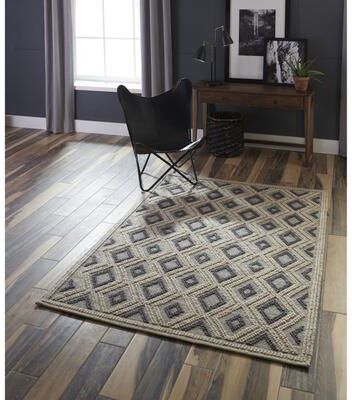
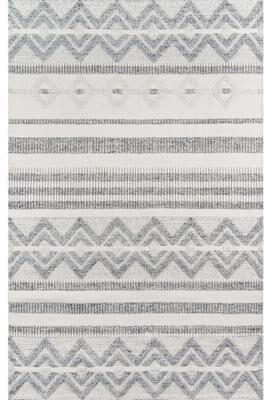
Similar search terms for Momeni-Andes-Hand-Woven
Top-Angebote
Products related to Momeni-Andes-Hand-Woven:
-
Momeni Jax Hand Woven Wool Area RugIntroducing the Jax Collection - Where Comfort Meets Style! Immerse your home in the embrace of warmth with our Jax Collection, a masterpiece designed to exude a cozy texture that elevates the essence of any room.119,99 $*Shipping: 0,00 $Secure redirect to the provider
-
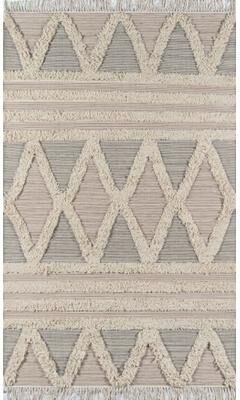
Momeni Caravan Hand Woven Wool Geometric Area RugClassical Kilim carpet motifs coexist with contemporary colors to create an area rug collection with the modern nomad in mind. Inspired by all-over patterns of traditional tribal floorcoverings, each rug?158,49 $*Shipping: 0,00 $Secure redirect to the provider



-
How are fabrics woven?
Fabrics are woven by interlacing two sets of yarns, the warp and the weft, on a loom. The warp yarns are stretched lengthwise on the loom, while the weft yarns are woven across the warp yarns. The process involves raising and lowering the warp yarns to create an opening, through which the weft yarn is passed. This interlacing of warp and weft yarns creates the fabric structure. Different weaving techniques, such as plain weave, twill weave, and satin weave, can produce a variety of fabric textures and patterns. **
-
Why are there so many volcanoes in the Andes?
The Andes are a result of the subduction of the Nazca Plate beneath the South American Plate. This subduction process creates intense pressure and heat, leading to the melting of the Earth's crust and the formation of magma. This magma then rises to the surface, resulting in the formation of numerous volcanoes along the length of the Andes. Additionally, the Andes are also located along the Pacific Ring of Fire, a region known for its high volcanic activity due to the movement of tectonic plates and the presence of numerous subduction zones. **
-
What are the indigenous people of the Andes in Peru?
The indigenous people of the Andes in Peru are the descendants of the ancient Inca civilization, as well as other pre-Columbian cultures such as the Quechua, Aymara, and many others. They have a rich cultural heritage that includes traditional clothing, music, dance, and agricultural practices. Despite centuries of colonization and marginalization, these indigenous communities continue to maintain their traditions and way of life, while also advocating for their rights and recognition in modern Peruvian society. **
-
Who are the indigenous people of the Andes in Peru?
The indigenous people of the Andes in Peru are primarily the Quechua and Aymara. The Quechua are the largest indigenous group in Peru and are known for their rich cultural heritage, including their language, traditional clothing, and agricultural practices. The Aymara people also have a strong presence in the Andean region of Peru, particularly around Lake Titicaca. Both groups have a deep connection to the Andean landscape and have preserved their traditional ways of life despite centuries of colonization and cultural assimilation. **


Can a non-woven wallpaper be applied on a non-woven lining as a base?
Yes, a non-woven wallpaper can be applied on a non-woven lining as a base. Non-woven wallpapers are designed to be easy to apply and remove, making them a popular choice for many homeowners. When applying a non-woven wallpaper on a non-woven lining, it is important to ensure that the surfaces are clean, smooth, and free of any debris to ensure a proper adhesion. Additionally, following the manufacturer's instructions for application will help ensure a successful installation. **
Are the patches printed or woven?
The patches are woven, not printed. This means that the design is created by weaving different colored threads together to form the image or pattern. Woven patches tend to be more durable and have a higher quality appearance compared to printed patches. **
Top-Angebote
Products related to Momeni-Andes-Hand-Woven:
-
Momeni Jax Hand Woven Wool Area RugIntroducing the Jax Collection - Where Comfort Meets Style! Immerse your home in the embrace of warmth with our Jax Collection, a masterpiece designed to exude a cozy texture that elevates the essence of any room.119,99 $*Shipping: 0,00 $Secure redirect to the provider
-
How are ores formed in the Andes?
Ores in the Andes are formed through a process called mineralization, which occurs when mineral-rich fluids move through cracks and fissures in the Earth's crust. These fluids can come from magma chambers deep underground or from circulating groundwater. As the fluids move through the rocks, they deposit minerals such as gold, silver, copper, and zinc, which eventually form ore deposits. The tectonic activity in the Andes, including subduction zones and volcanic activity, plays a crucial role in creating the conditions for mineralization to occur. **
-
How are the ores formed in the Andes?
The ores in the Andes are formed through a process called hydrothermal mineralization. This occurs when hot, mineral-rich fluids from deep within the Earth's crust rise to the surface and deposit their mineral content as they cool. The Andes are a tectonically active region with numerous faults and fractures, providing pathways for these mineral-rich fluids to move upwards. As the fluids cool, they deposit their mineral content in the fractures and cavities of the surrounding rocks, forming ore deposits such as copper, gold, and silver. This process has been ongoing for millions of years, leading to the formation of significant mineral deposits in the Andes. **
-
How are fabrics woven?
Fabrics are woven by interlacing two sets of yarns, the warp and the weft, on a loom. The warp yarns are stretched lengthwise on the loom, while the weft yarns are woven across the warp yarns. The process involves raising and lowering the warp yarns to create an opening, through which the weft yarn is passed. This interlacing of warp and weft yarns creates the fabric structure. Different weaving techniques, such as plain weave, twill weave, and satin weave, can produce a variety of fabric textures and patterns. **
-
Why are there so many volcanoes in the Andes?
The Andes are a result of the subduction of the Nazca Plate beneath the South American Plate. This subduction process creates intense pressure and heat, leading to the melting of the Earth's crust and the formation of magma. This magma then rises to the surface, resulting in the formation of numerous volcanoes along the length of the Andes. Additionally, the Andes are also located along the Pacific Ring of Fire, a region known for its high volcanic activity due to the movement of tectonic plates and the presence of numerous subduction zones. **
Similar search terms for Momeni-Andes-Hand-Woven
-
Momeni Caravan Hand Woven Wool Geometric Area RugClassical Kilim carpet motifs coexist with contemporary colors to create an area rug collection with the modern nomad in mind. Inspired by all-over patterns of traditional tribal floorcoverings, each rug?158,49 $*Shipping: 0,00 $Secure redirect to the provider
-
Momeni Jax Hand Woven Wool Area RugIntroducing the Jax Collection - Where Comfort Meets Style! Immerse your home in the embrace of warmth with our Jax Collection, a masterpiece designed to exude a cozy texture that elevates the essence of any room.116,48 $*Shipping: 0,00 $Secure redirect to the provider
-
Momeni Jax Hand Woven Wool Area RugIntroducing the Jax Collection - Where Comfort Meets Style! Immerse your home in the embrace of warmth with our Jax Collection, a masterpiece designed to exude a cozy texture that elevates the essence of any room.874,49 $*Shipping: 0,00 $Secure redirect to the provider
-
What are the indigenous people of the Andes in Peru?
The indigenous people of the Andes in Peru are the descendants of the ancient Inca civilization, as well as other pre-Columbian cultures such as the Quechua, Aymara, and many others. They have a rich cultural heritage that includes traditional clothing, music, dance, and agricultural practices. Despite centuries of colonization and marginalization, these indigenous communities continue to maintain their traditions and way of life, while also advocating for their rights and recognition in modern Peruvian society. **
-
Who are the indigenous people of the Andes in Peru?
The indigenous people of the Andes in Peru are primarily the Quechua and Aymara. The Quechua are the largest indigenous group in Peru and are known for their rich cultural heritage, including their language, traditional clothing, and agricultural practices. The Aymara people also have a strong presence in the Andean region of Peru, particularly around Lake Titicaca. Both groups have a deep connection to the Andean landscape and have preserved their traditional ways of life despite centuries of colonization and cultural assimilation. **
-
Can a non-woven wallpaper be applied on a non-woven lining as a base?
Yes, a non-woven wallpaper can be applied on a non-woven lining as a base. Non-woven wallpapers are designed to be easy to apply and remove, making them a popular choice for many homeowners. When applying a non-woven wallpaper on a non-woven lining, it is important to ensure that the surfaces are clean, smooth, and free of any debris to ensure a proper adhesion. Additionally, following the manufacturer's instructions for application will help ensure a successful installation. **
-
Are the patches printed or woven?
The patches are woven, not printed. This means that the design is created by weaving different colored threads together to form the image or pattern. Woven patches tend to be more durable and have a higher quality appearance compared to printed patches. **
* All prices are inclusive of VAT and, if applicable, plus shipping costs. The offer information is based on the details provided by the respective shop and is updated through automated processes. Real-time updates do not occur, so deviations can occur in individual cases. ** Note: Parts of this content were created by AI.