Buy my-socks.com ?
We are moving the project
my-socks.com .
Are you interested in purchasing the domain
my-socks.com ?
domain@kv-gmbh.de · 0541-91531010
Buy my-socks.com ?
What is wrong with my heating element?
There could be several reasons why your heating element is not working properly. It could be a faulty thermostat, a broken heating coil, a blown fuse, or a malfunctioning heating element. It is best to consult a professional technician to diagnose and fix the issue accurately. **
How do I connect a heating element?
To connect a heating element, you will first need to identify the power source and ensure it is turned off. Next, you will need to strip the insulation from the wires of the heating element and the power source. Connect the wires of the heating element to the power source using wire connectors or soldering, making sure to match the positive and negative terminals correctly. Finally, secure the connections with electrical tape or heat shrink tubing and test the heating element to ensure it is functioning properly. **


Similar search terms for FAST-FT39314-Heating-Element
Top-Angebote
Products related to FAST-FT39314-Heating-Element:


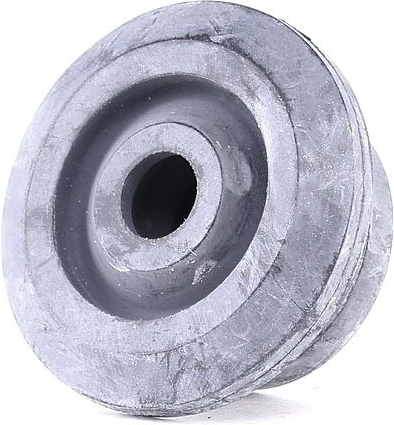
-
What is a heating element in gravel?
A heating element in gravel is a device that is buried within the gravel substrate of an aquarium or terrarium to provide consistent and controlled heating. It helps to maintain the temperature of the substrate, which is important for the overall well-being of the animals or plants in the enclosure. The heating element is typically connected to a thermostat to regulate the temperature and prevent overheating. It is a popular choice for reptile and amphibian habitats, as well as planted aquariums. **
-
What kind of heating element is this?
This is a coil heating element. It consists of a tightly wound coil of resistance wire that generates heat when an electric current passes through it. Coil heating elements are commonly used in electric stoves, ovens, and other heating appliances. **
-
Why is the heating element not working?
The heating element may not be working due to a variety of reasons. It could be a result of a blown fuse or tripped circuit breaker, a faulty thermostat, a broken heating element, or a malfunctioning power supply. Additionally, it could be due to a build-up of dirt or debris on the heating element, preventing it from functioning properly. It is important to troubleshoot and identify the specific issue in order to effectively repair the heating element. **
-
Is the heating element in the aquarium broken?
To determine if the heating element in the aquarium is broken, you can check the temperature of the water using a thermometer. If the water temperature is significantly lower than the set temperature on the heater, it could indicate a problem with the heating element. Additionally, you can observe if the heater is functioning properly by checking if the indicator light is on and if there are any visible signs of damage to the heating element. If you suspect that the heating element is broken, it may be necessary to replace it to maintain a stable and comfortable environment for the aquarium inhabitants. **


What is a heating element in an aquarium?
A heating element in an aquarium is a device used to regulate and maintain the water temperature within the tank. It is typically a submersible device that is placed in the water and is connected to a thermostat to ensure the water remains at the desired temperature for the fish and other aquatic inhabitants. Heating elements are essential for tropical fish tanks or in colder climates where the ambient room temperature may not be sufficient to keep the water warm enough for the aquatic life. **
Which material is suitable for a heating element?
A material suitable for a heating element should have high electrical resistance and be able to withstand high temperatures without deforming or degrading. Common materials used for heating elements include nichrome, kanthal, and stainless steel. These materials have high melting points and can maintain their structural integrity at high temperatures, making them suitable for heating applications. Additionally, they should have good thermal conductivity to efficiently transfer heat to the surrounding environment. **
Top-Angebote
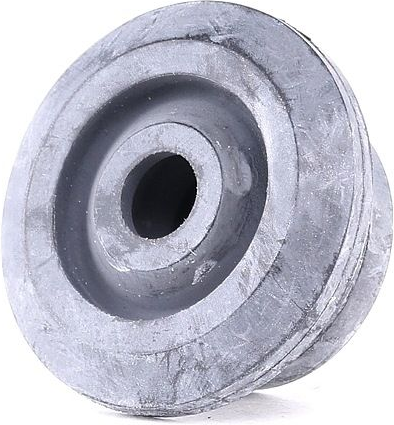
Products related to FAST-FT39314-Heating-Element:
-
What is wrong with my heating element?
There could be several reasons why your heating element is not working properly. It could be a faulty thermostat, a broken heating coil, a blown fuse, or a malfunctioning heating element. It is best to consult a professional technician to diagnose and fix the issue accurately. **
-
How do I connect a heating element?
To connect a heating element, you will first need to identify the power source and ensure it is turned off. Next, you will need to strip the insulation from the wires of the heating element and the power source. Connect the wires of the heating element to the power source using wire connectors or soldering, making sure to match the positive and negative terminals correctly. Finally, secure the connections with electrical tape or heat shrink tubing and test the heating element to ensure it is functioning properly. **
-
What is a heating element in gravel?
A heating element in gravel is a device that is buried within the gravel substrate of an aquarium or terrarium to provide consistent and controlled heating. It helps to maintain the temperature of the substrate, which is important for the overall well-being of the animals or plants in the enclosure. The heating element is typically connected to a thermostat to regulate the temperature and prevent overheating. It is a popular choice for reptile and amphibian habitats, as well as planted aquariums. **
-
What kind of heating element is this?
This is a coil heating element. It consists of a tightly wound coil of resistance wire that generates heat when an electric current passes through it. Coil heating elements are commonly used in electric stoves, ovens, and other heating appliances. **
Similar search terms for FAST-FT39314-Heating-Element
-
Why is the heating element not working?
The heating element may not be working due to a variety of reasons. It could be a result of a blown fuse or tripped circuit breaker, a faulty thermostat, a broken heating element, or a malfunctioning power supply. Additionally, it could be due to a build-up of dirt or debris on the heating element, preventing it from functioning properly. It is important to troubleshoot and identify the specific issue in order to effectively repair the heating element. **
-
Is the heating element in the aquarium broken?
To determine if the heating element in the aquarium is broken, you can check the temperature of the water using a thermometer. If the water temperature is significantly lower than the set temperature on the heater, it could indicate a problem with the heating element. Additionally, you can observe if the heater is functioning properly by checking if the indicator light is on and if there are any visible signs of damage to the heating element. If you suspect that the heating element is broken, it may be necessary to replace it to maintain a stable and comfortable environment for the aquarium inhabitants. **
-
What is a heating element in an aquarium?
A heating element in an aquarium is a device used to regulate and maintain the water temperature within the tank. It is typically a submersible device that is placed in the water and is connected to a thermostat to ensure the water remains at the desired temperature for the fish and other aquatic inhabitants. Heating elements are essential for tropical fish tanks or in colder climates where the ambient room temperature may not be sufficient to keep the water warm enough for the aquatic life. **
-
Which material is suitable for a heating element?
A material suitable for a heating element should have high electrical resistance and be able to withstand high temperatures without deforming or degrading. Common materials used for heating elements include nichrome, kanthal, and stainless steel. These materials have high melting points and can maintain their structural integrity at high temperatures, making them suitable for heating applications. Additionally, they should have good thermal conductivity to efficiently transfer heat to the surrounding environment. **
* All prices are inclusive of VAT and, if applicable, plus shipping costs. The offer information is based on the details provided by the respective shop and is updated through automated processes. Real-time updates do not occur, so deviations can occur in individual cases. ** Note: Parts of this content were created by AI.