Buy my-socks.com ?
We are moving the project
my-socks.com .
Are you interested in purchasing the domain
my-socks.com ?
domain@kv-gmbh.de · 0541-91531010
Buy my-socks.com ?
Can children wear non-slip socks in shoes?
Yes, children can wear non-slip socks in shoes. Non-slip socks are designed to provide traction and prevent slipping, making them a great option for children who are learning to walk or are active and playful. They can be worn inside shoes to provide extra grip and stability, especially on smooth or slippery surfaces. Non-slip socks can also be a good alternative to traditional socks for children who prefer not to wear shoes indoors. **
Can you please get me non-slip socks for my classmate?
Yes, I can help you with that. Non-slip socks are a great idea to ensure your classmate's safety and comfort. I will make sure to find a suitable pair for them. **

Similar search terms for Non-silicone
Top-Angebote
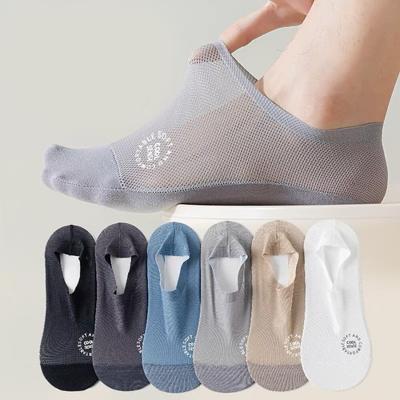
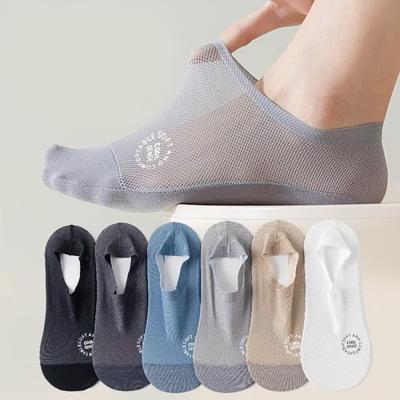
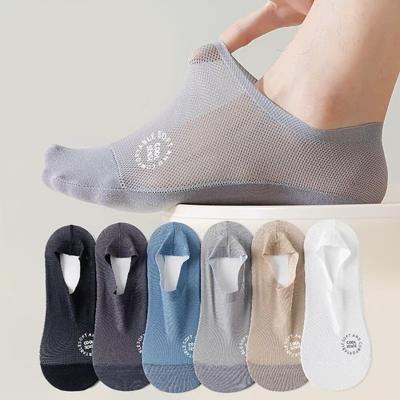
Products related to Non-silicone:


-
What happens to non-slip socks in the bathtub?
Non-slip socks are designed to provide traction on smooth surfaces, such as tile or hardwood floors, to prevent slipping and falling. However, when worn in the bathtub, the water can saturate the fabric of the socks, reducing their effectiveness in providing grip. The water can also make the surface of the bathtub slippery, further increasing the risk of slipping. It is not recommended to wear non-slip socks in the bathtub for safety reasons. **
-
Which baking pan is the best: ceramic, non-stick coating, tinplate, or silicone?
The best baking pan depends on the specific recipe and personal preference. Ceramic pans are durable and provide even heat distribution, making them great for baking. Non-stick coating pans are convenient for easy release of baked goods and easy cleaning. Tinplate pans are traditional and provide a classic look, but may require greasing to prevent sticking. Silicone pans are flexible and easy to clean, but may not provide as crisp of a crust on baked goods. Ultimately, the best baking pan will depend on the specific needs of the recipe and the baker's preferences. **
-
Does silicone stick to silicone?
Yes, silicone does stick to silicone. When two silicone surfaces come into contact, they tend to adhere to each other due to their similar chemical composition. This property makes silicone a popular material for creating airtight seals and bonding silicone-based products together. **
-
Can I apply silicone on silicone?
It is generally not recommended to apply new silicone on top of existing silicone. The new silicone may not adhere properly to the old silicone, leading to potential issues with adhesion and durability. It is best to remove the old silicone completely before applying a new layer to ensure a proper bond and a long-lasting seal. **

Can silicone be applied on silicone?
Yes, silicone can be applied on top of existing silicone. However, it is important to ensure that the existing silicone is clean and free of any dirt, dust, or residue before applying new silicone. Additionally, it is recommended to use a silicone primer to promote adhesion between the old and new silicone layers. This will help to create a strong bond and ensure a durable seal. **
What are silicone and silicone hydrogel lenses?
Silicone lenses are a type of contact lens made with a silicone-based material, which allows for increased oxygen permeability to the eye. This can help reduce the risk of eye infections and improve overall comfort. Silicone hydrogel lenses are a specific type of silicone lens that also includes hydrogel, a water-absorbing material that helps keep the lenses moist and comfortable for longer periods of time. These lenses are popular for their breathability and comfort, making them a popular choice for contact lens wearers. **
Top-Angebote
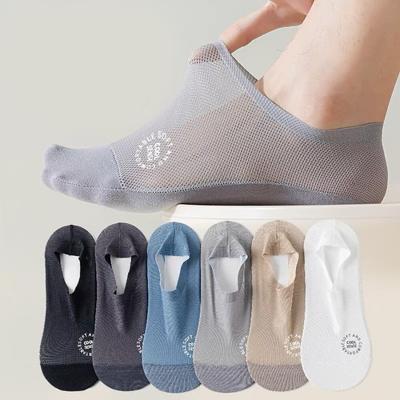
Products related to Non-silicone:
-
Can children wear non-slip socks in shoes?
Yes, children can wear non-slip socks in shoes. Non-slip socks are designed to provide traction and prevent slipping, making them a great option for children who are learning to walk or are active and playful. They can be worn inside shoes to provide extra grip and stability, especially on smooth or slippery surfaces. Non-slip socks can also be a good alternative to traditional socks for children who prefer not to wear shoes indoors. **
-
Can you please get me non-slip socks for my classmate?
Yes, I can help you with that. Non-slip socks are a great idea to ensure your classmate's safety and comfort. I will make sure to find a suitable pair for them. **
-
What happens to non-slip socks in the bathtub?
Non-slip socks are designed to provide traction on smooth surfaces, such as tile or hardwood floors, to prevent slipping and falling. However, when worn in the bathtub, the water can saturate the fabric of the socks, reducing their effectiveness in providing grip. The water can also make the surface of the bathtub slippery, further increasing the risk of slipping. It is not recommended to wear non-slip socks in the bathtub for safety reasons. **
-
Which baking pan is the best: ceramic, non-stick coating, tinplate, or silicone?
The best baking pan depends on the specific recipe and personal preference. Ceramic pans are durable and provide even heat distribution, making them great for baking. Non-stick coating pans are convenient for easy release of baked goods and easy cleaning. Tinplate pans are traditional and provide a classic look, but may require greasing to prevent sticking. Silicone pans are flexible and easy to clean, but may not provide as crisp of a crust on baked goods. Ultimately, the best baking pan will depend on the specific needs of the recipe and the baker's preferences. **
Similar search terms for Non-silicone
-
Does silicone stick to silicone?
Yes, silicone does stick to silicone. When two silicone surfaces come into contact, they tend to adhere to each other due to their similar chemical composition. This property makes silicone a popular material for creating airtight seals and bonding silicone-based products together. **
-
Can I apply silicone on silicone?
It is generally not recommended to apply new silicone on top of existing silicone. The new silicone may not adhere properly to the old silicone, leading to potential issues with adhesion and durability. It is best to remove the old silicone completely before applying a new layer to ensure a proper bond and a long-lasting seal. **
-
Can silicone be applied on silicone?
Yes, silicone can be applied on top of existing silicone. However, it is important to ensure that the existing silicone is clean and free of any dirt, dust, or residue before applying new silicone. Additionally, it is recommended to use a silicone primer to promote adhesion between the old and new silicone layers. This will help to create a strong bond and ensure a durable seal. **
-
What are silicone and silicone hydrogel lenses?
Silicone lenses are a type of contact lens made with a silicone-based material, which allows for increased oxygen permeability to the eye. This can help reduce the risk of eye infections and improve overall comfort. Silicone hydrogel lenses are a specific type of silicone lens that also includes hydrogel, a water-absorbing material that helps keep the lenses moist and comfortable for longer periods of time. These lenses are popular for their breathability and comfort, making them a popular choice for contact lens wearers. **
* All prices are inclusive of VAT and, if applicable, plus shipping costs. The offer information is based on the details provided by the respective shop and is updated through automated processes. Real-time updates do not occur, so deviations can occur in individual cases. ** Note: Parts of this content were created by AI.